JOURNEY TO PLANET WRITE: Straight Lines Are Boring

by Clifford Garstang

Some days I envy the young writers who, right out of college, sit down to write their first novel and never stop writing. How much they could accomplish over a career of forty or fifty years! If only I had been able to do that!
But most days, when I’m being rational, I accept that I’ve taken the journey I had to take. I’m the person I am today—the writer I am—because of the non-writing work I’ve done and because of the places I’ve seen. If my lifetime writing output is smaller as a result, sobeit.
Like many writers, I was first a voracious reader. The Hardy Boys. Chip Hilton. Those are the books I collected and that stand out in my memory, although there must have been others. In high school I discovered books that made me think. I was one of those kids whose mind was blown by Hermann Hesse: Demian, Siddhartha, Steppenwolf. Even required reading in school got me excited: The Bridge of San Luis Rey, Rosencrantz and Guildenstern are Dead, Heart of Darkness. Another title comes back to me now that was influential at the time: Stranger in a Strange Land.
I was taken by the universal questions these works asked, and I came to admire the writers who had created them. I wanted to be one of them.
In college I majored in Philosophy, not because I knew anything about the subject but because of those questions my favorite writers were asking. If I were going to write like them, I needed to know how to think and also how to ask questions.
It should be noted that I wasn’t doing much writing of my own during this period. I did take a couple of creative writing classes in college, but I didn’t take it seriously. As graduation approached, I realized that majoring in Philosophy had limited my reading in literature, reading that a writer ought to have done, so I applied for graduate school in English. (I hadn’t heard about MFA programs back then; if I had, I might have tried to get into one.) I wasn’t writing, but at least I was preparing to write. It was just what I wanted and I was able to read widely, from Chaucer and Shakespeare to Faulkner, Fitzgerald, Paley, and Cheever.
I was happy with the choice I’d made, but I was in need of a break from school, so I made a decision that turned out to be momentous: I joined the Peace Corps. I served for two years in South Korea, and while the job was difficult and living conditions harsh, the immersion in an unfamiliar environment—culture, food, language—opened my eyes and took me in an unexpected direction. I still wanted to write, but I also wanted an international career.
I returned to grad school, finished that MA in English, and then, because academia didn’t appeal to me as a long-term proposition, I went to law school, aiming to pursue international law, to live and work abroad. And that’s what happened. After graduation I was offered a job with a large, prestigious law firm, and within two years was sent to one of their offices in Asia. Exactly what I wanted, except that writing remained on the backburner.
Time passed. My work was not always exciting, but I traveled all over Asia and saw more of life than I would have if I’d remained in Chicago, which was its own reward. Eventually, though, I grew disenchanted. I had the idea that I wanted to be involved in international development and poverty alleviation, a holdover from my Peace Corps years. My law firm wasn’t going to get into that work, because it didn’t pay enough, so I explored other options. I quit the firm and went to graduate school again, this time to study international development at Harvard’s Kennedy School of Government, with a goal of working for one of the multilateral development banks. First, though, I took a job as a legal reform consultant in Kazakhstan. No, really!
I lived in Kazakhstan for the better part of a year and found myself with time on my hands, so at long last I began to write. The story I wanted to tell was set against the political landscape of Southeast Asia, a romantic thriller mixed with Eastern Philosophy. I kept working on that project when I came back to the US and eventually finished a massive draft. I even took a class at the Writer’s Center in Washington DC, realizing that I might have a few things to learn about writing.
With no income, though, I began to worry about money. I had not learned the trick of cobbling together teaching and fee-lance work in order to get by, nor was I yet qualified to do any of that. So I began to look for a job, ideally one that would allow me to spend at least some time writing. Finally, I got the job I wanted: Senior Counsel for East Asia at the International Bank for Reconstruction and Development (aka The World Bank). It was a demanding job with a lot of Asian travel (I flew over a million miles in five years), and I was unable to do much more than tinker with my novel manuscript, but I loved it. I felt I was making a real contribution to global poverty alleviation, and adding to my store of experiences at the same time.
But then: the new millennium loomed. It seemed like a propitious time to take the leap and finally pursue my writing dream.
I’ve been writing more or less fulltime ever since. I picked up an MFA in Fiction along the way. I’ve attended countless writers’ conferences and workshops. I’ve written and re-written dozens of stories, most of which found homes in literary magazines and two small-press collections. I’ve done some teaching, some editing, a little free-lancing. But mostly I write. In addition to that first novel I wrote long ago and may someday resurrect, I’ve written two as-yet-unpublished novels and am close to finishing another, with ideas for several more. I’ve got lots to say.

 It’s been a circuitous route to Planet Write, but I don’t regret a single step.

________________________________________
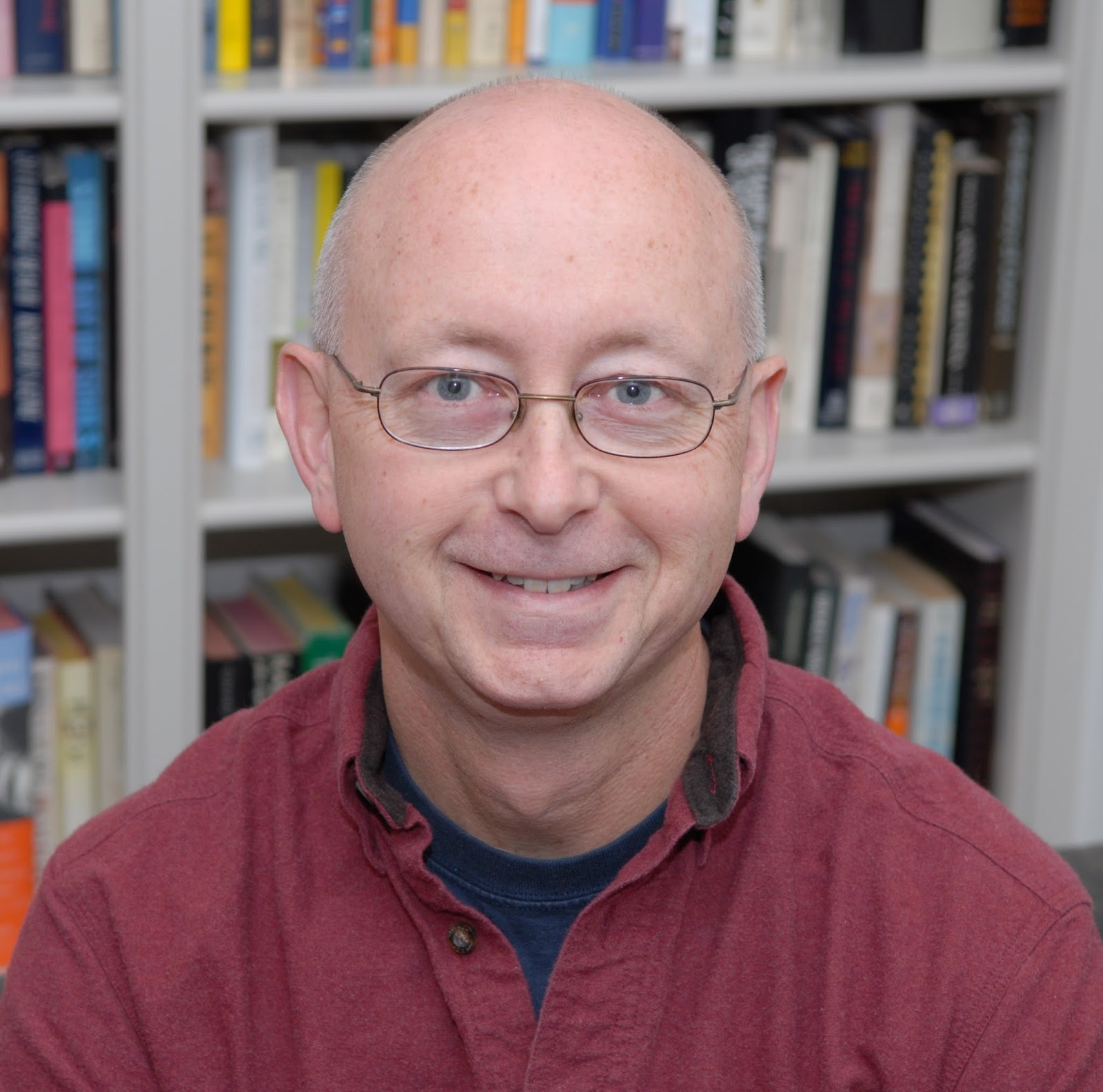


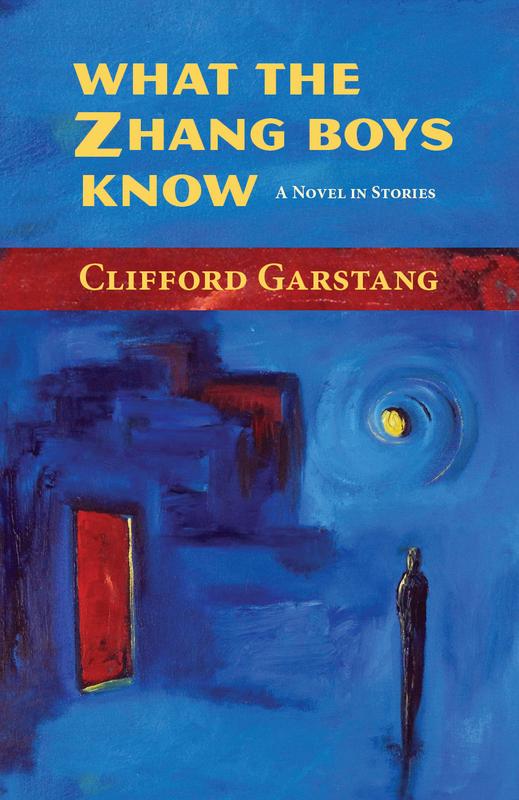
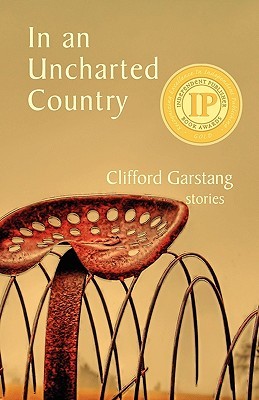
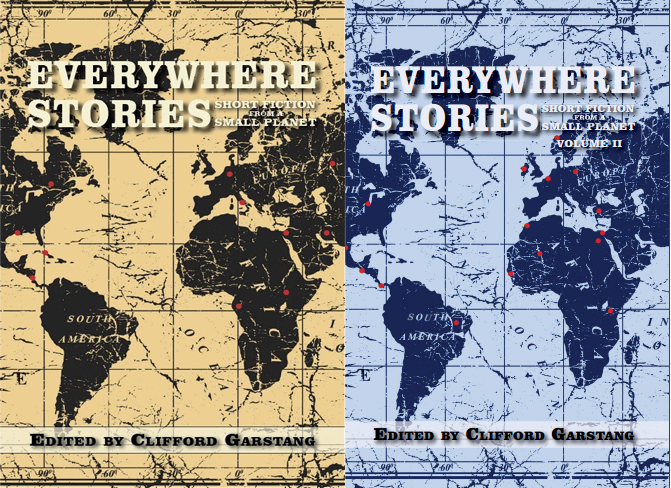
Clifford Garstang is the author of the novel in stories What theZhang Boys Know, winner of the 2013 Library of Virginia Literary Award for Fiction and the story collection In an Uncharted Country. He is also the editor of the anthology series Everywhere Stories: Short Fiction from a Small Planet. He is also the author of the literary blog Perpetual Folly. Visit him at CliffordGarstang.com.
JOURNEY TO PLANET WRITE: No One Has Told Me to Stop

by Rachael Warecki
Last night, I sat down on my floor, opened up the binder that contains approximately 370 pages of my novel-in-progress—all of one draft and the first third of another—and wrote a summary of each scene on color-coded index cards. As I’d learned at a recent writing workshop, indexing your scenes in this manner can be a helpful tool in charting a novel’s progression. Are my scenes in a sensible order? Is the plot of this novel progressing in a logical way? Are my characters developing emotionally?
After I’d laid out my index cards end to end, I was pleased to discover that the answer to all these questions was Yes. I still need to round out some of the emotional beats in the last third of the manuscript, and I need to rewrite the novel’s climax, which my ancient former computer deleted in a last-ditch protest against running Microsoft Word. (You had one job, computer!) But after six years of work and six full drafts, my novel finally feels like a book, like a manuscript that could be sent to a literary agent who would want to see more.
So, to paraphrase David Byrne, I asked myself, How did I get here?
No, seriously—if you’ve not yet had the pleasure of glimpsing the finish line, of measuring the time to a finished, agent-ready draft in weeks and months rather than in years, it’s a unique emotion. For me, it feels most akin to a graduation: the rush of triumph at your achievement, the urge to hug your family and classmates and professors out of gratitude for the time they’ve invested in you, the relief at one stage of your life coming to an end, and the knowledge that the next phase is just beginning.
Compared to other people’s Journeys to Planet Write, I feel mine has been fairly straightforward. In second grade, after learning that a real live species of people called writers had created the books I’d been devouring since I was three, I wrote my first short story. I wrote my first novel when I was in junior high, in a fit of obliviousness toward the potential cruelty of eighth graders, and then told my classmates about it. The novel was a total rip-off of whatever epic fantasy series I was reading at the time (talking animals, people with liberally-sprinkled apostrophes in their magical-sounding names), but most of my nine classmates, to their nerdy credit, asked to read it. That was my first brush with encouragement from people who weren’t my parents, and it powered me forward—although to be honest, I would’ve continued to write even if no one was reading, which was what I did all through high school.
In college, I transitioned into historical novels and literary short stories, the latter of which earned me several school writing awards—the first time that non-parental adults had liked my work. After graduation, I started teaching, wrote a cry-for-help roman à clef that I eventually trunked, took two years’ worth of novel-writing courses through UCLA Extension, attended my first writing conference, and applied to MFA programs. One of the programs was kind enough to let me in, and I worked very hard for two years to graduate with a concentration in fiction.
And now here I am. With a novel manuscript in front of me. Counting down the weeks until I send it out.
In short, I’ve been writing all my life, and I’ve been extremely lucky in that no one has ever told me to stop.
I can’t emphasize how important that last part is, though: no one has ever told me to stop. Aside from my many privileges (being born white and straight and well-off, albeit with a host of severe medical issues), which have allowed me, for the most part, to plan my writing career in methodical stages, the most important factor in my writing career has been my supportive community. When I was seven, writing that first short story about a baby deer, my parents and teachers didn’t tell me to give it up for math and science. In junior high, when it would have been far easier for my classmates to taunt my ambitions, they encouraged me instead. The friends I made through my MFA program have invited me to literary readings and introduced me to people who’ve helped my career. Even the people in my life who don’t write—friends from high school, colleagues, my boyfriend—have always asked after my writing. Let me tell you, there’s no bigger motivation to finish your manuscript revisions than sitting in an airport with a former coworker and hearing him ask, “So, how’s your novel coming along?”
It’s because of this community’s love that I’ve been able to keep writing through illnesses, family upheaval, and personal losses. Thanks to them, it’s not just my novel that feels ready. My writing career itself has proceeded in a sensible order. Despite periods of chaos, my life—if not the world—is progressing in a logical way. And I, as a person, am developing emotionally. I owe it not only to myself to keep putting words on the page, but to the wonderful people around me. If this is my lifelong Journey to Planet Write, then my community is the rocket ship that propels me forward. (And, you know, keeps me from getting sucked into space and going kablooie.)

So I’m not going to stop.

______________________________________


Rachael Warecki is a native of Los Angeles whose work has appeared in The Los Angeles Review, The Masters Review, Midwestern Gothic, and elsewhere. She holds degrees from Scripps College and Loyola Marymount University, as well as an MFA in Fiction from Antioch University Los Angeles. She is currently at work on a novel, which is an eight-word phrase that describes her entire past, present, and future.

JOURNEY TO PLANET WRITE: From Peanuts to Programming to Plotting

by Sybil Johnson


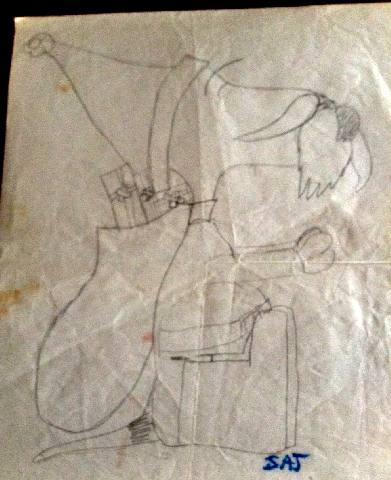
The first thing I remember wanting to be was a cartoonist. I spent hours drawing the Peanuts gang, copying what I saw every day in the comics of the newspaper, dreaming about creating my own strip one day.

As a kid, I never once thought about writing as a career. Sure, I enjoyed the creative writing assignments in grade school and junior high. I even worked on the school newspaper. But that was only a fun thing to do, not a potential career choice.

Still, the few stories I wrote must have been important to me since I saved them, stashing them away in a box of memorabilia. When I found them recently among the report cards, autograph books and miscellany I’d collected, I discovered I gravitated toward crime stories even then. I remember reading a lot of mysteries, but hadn’t realized I liked to write them as well.

The older of the two stories I found, “Sleepy Toes and Fido,” featured a donkey (Sleepy Toes), a hippie dog (Fido) and a jewelry theft. By the end of the (very) short story, the jewelry had been returned and all was well. The second story, “Murder in Catville,” involved cats, a murder, a ghost, a seance and a secret panel in the wall. At the end, the murderer is caught and peace restored to Catville. Both of these stories end well, so I can see at a young age I was more inclined toward cozies than noir. That’s still true today. Most of the mystery reading and writing I do is on the cozy end of the spectrum, although I occasionally channel my dark side in short stories.

At the time I wrote “Murder in Catville,” my interests had turned to more academic subjects like math and history. When I entered college, I was considering math as a major, but hadn’t fully committed to it. Then, on the campus of the University of Southern California, I discovered Computer Science and fell in love with programming. The major was fairly new at the time (the IBM PC came out the year I graduated) and, as you might guess, male-dominated. Of the 100 or so students majoring in CS, few of us were female. I don’t remember the exact number, but I think it was around five.

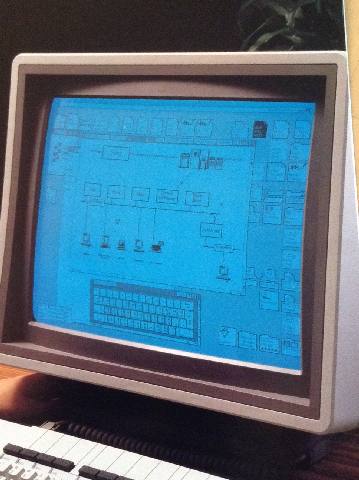
My first job out of college was at Xerox where I worked on software for the 6085 computer system and its predecessor, the Xerox Star, the first commercial system to incorporate technologies such as a bitmapped display, graphical user interface, Ethernet networking, icons, folders and a mouse.


It was an exciting and fun time. I consider myself fortunate to have worked with and been around so many talented people and to have been involved with such cutting edge technology. Over the years, I worked on a number of other projects in various roles—programmer, software development manager, technical program manager. The only writing I did during this time was technical documentation.

Fast forward twenty years. I woke up one morning with the image of a young woman finding the body of her painting teacher in her garden. That image stuck in my brain and wouldn’t go away. I was coming to the end of a contract and looking for a new challenge. Even though I’d always thought writing a mystery would be too hard, I decided to give it a shot. I pulled up my big girl pants, sucked in my breath and plunged in.

It hasn’t been an easy path. I lost track of the number of times I considered quitting. But, every time I thought about it, something inside me urged me to keep writing. I kept on reminding myself I was learning a new skill. It would take time.

I wrote, took a couple online courses on writing mysteries and wrote some more. I was ecstatic when I got an Honorable Mention in a Writer’s Digest short story contest and over the moon when my first short story was published.

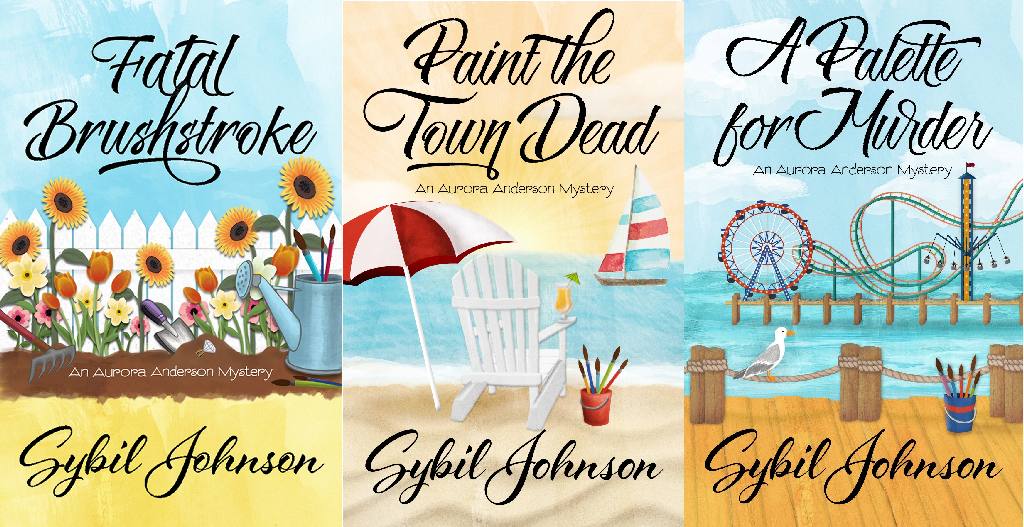
While I was writing short stories, I was also working on the idea that had got me started down this path in the first place. I wrote a version of the book, decided it wasn’t good enough, and started over again. Ten or fifteen years later, I felt I had something a publisher might find interesting. In 2013, I attended the California Crime Writers conference, a mystery writer’s convention that I had co-chaired in 2011. There I met the managing editor of Henery Press. After some modifications, they expressed an interest in buying the story and the Aurora Anderson mystery series was born. The first book, Fatal Brushstroke, was published in 2014 followed by Paint the Town Dead and the recently published A Palette for Murder.


I still find writing hard, the hardest thing I’ve ever done. But it’s also the most rewarding. The satisfaction I get from crafting a story out of thin air more than makes up for the difficulty.

_______________________________


After a rewarding career in the computer industry, Sybil Johnson turned to a life of crime writing. Her short fiction has appeared in Mysterical-E and Spinetingler Magazine among others. She wields pen and paint brush from her home in Southern California where she writes the Aurora Anderson mystery series set in the world of tole/decorative painting (Fatal Brushstroke, Paint the Town Dead and the recently published, A Palette for Murder). Visit her at www.authorsybiljohnson.com or check out Type M for Murder (typem4murder.blogspot.com) where she posts every other Wednesday.


_______________________________


Sybil Johnson is a member of the Los Angeles chapter of Sisters in Crime.


Sisters in Crime/Los Angeles and SoCal Mystery Writers of America invite emerging and established mystery writers for a weekend of invaluable guidance, insight, and community at the 2017 California Crime Writers Conference. Whether your novel is brewing in your imagination, ready to publish, or you already have several published books under your belt, our workshops, presented by agents, editors, award-winning authors, and crime investigation professionals, are geared to elevate your mystery writing skills and foster relationships on your path to publication and beyond. 

JOURNEY TO PLANET WRITE: When We Falter, We Pick Ourselves Up

by Sara Lippmann
“You should only listen to yourself, that’s your only job, really, as an artist, even if you are completely wrong, that’s what an artist does, listen to one’s self.”
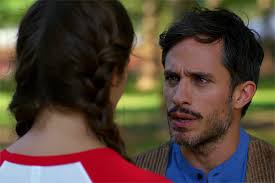
Gael Garcia Bernal in Mozart in the Jungle
If you haven’t seen Mozart in the Jungle, I recommend it for its pure, escapist pleasure, a frivolous if fleeting distraction from the dreadful new daily hell we call life. Gael Garcia Bernal plays an impassioned, unconventional maestro. (Need I say more?) Watch for his face alone, for the whole electric cast, for music that stirs the heart. Watch because laughter – even, especially, in times like these – is a necessary relief. Who can resist a fraught maestro/protégé relationship where lines are blurred and crossed? Watch because the camera loves them. Because although it won’t alter our dismal reality a stitch, the show just might give you good dreams.
The young oboist, says, “I should have listened to you.”
Watch for this mentorship, contained in a simple act of grace: “You should only listen to yourself, that’s your only job, really, as an artist.”
I’ve not always had the best luck with mentors. (An essay for another day, perhaps.) Still, I keep seeking. But more than anything or anyone: We must listen to ourselves. Follow our gut, trust our instinct, even if we don’t understand it, even if it may steer us wrong, because that is our job: to plunge head first, without a safety net, in reckless pursuit of story. Sound precious? Maybe. Who cares. To tell it as we feel it, as we hear it, think it. To ignore what anyone else wants or how we might be perceived – to push away the boatloads of bullshit – to trick ourselves, or do it anyway, despite all the garbage, at least, for a while.
And when we falter we are to pick ourselves up and keep going. Fight on, claw through it, and do not succumb to despair. We know this, deep in the bones.
Listen.
And yet. Of course, there is interference. Outside opinions may worm its way into our ears. External voices can become internalized, so that suddenly, there are many – so many amped up, competing voices – all we hear is a noisy mess. We may even supplant another’s voice for our own.
Or worse: we forget how to shut up and listen to ourselves in the first place.
I’ve been there. Over the years I have felt needy, desperate. Eager to please. I have overlooked red flags. Sought the quick fix, sacrificed integrity. I have pandered to other people’s notions and dwelled on marketplace. I have caved to pressures, deleting my most honest work. Every self-pitying, self-indulgent thought, I’ve had it. I’m not proud of this, but there is no end to my shame. I’ve felt angry, alone, afraid. I have even questioned my motives, my heart, my fundamental need for telling.
Maybe this sounds familiar.
With the swarm buzzing around me, saying: You have nothing to say. What’s the point? What’s wrong with you? Who do you think you are? No one hears you. And if no one hears you, is there even a sound? I have sat in the dark. Thrust my head under the pillow.
And when the crescendo builds to an undecipherable scream, I have given myself over to it, letting myself be swallowed. I have stopped writing entirely. Sometimes for long stretches.
But my story doesn’t end there.
Eventually, I begin again.
This is my pattern. It is an endless cycle. And so on, etc.
A longer project takes time. A longer project – with no end in sight – requires a different kind of listening. With stories, maybe I can focus intensely for a spell, and find the exit; whereas now, the listening demands are more sustained, but also spread out over time. Months for some, years for others, years and years for me.
What am I doing again?
I’m in the hole. Miles from my comfort zone, from any familiar territory, any ground I can trust. I stay quiet and listen, but my voice is often muffled down here in the tunnel, knee deep in muck. I feel around in the dark, stumble, fall. I keep falling. I’m not sure where I’ll end up. Even if I knew, there’d be no guarantee.
Press on or turn back? I’m wracked with uncertainty. This summer I attended a conference, seeking solidarity, in a classroom, with others on a similar journey. My teacher took one look at me, wet-eyed and nail-bitten, and called me “tortured.” The whole thing was embarrassing: to be 41 years old and seeking what?
A smiley face on the page, a gold star.
Thanks to her fourth grade teacher, my daughter can tell you: Praise gets you nowhere.
No one can give you conviction. Chutzpah. Leap of faith.
To his credit, my teacher offered me this, which I’ll butcher. Hold onto it, he said. That thing you’ve got – your voice, your substance, your story – with two cupped hands as if catching water. Protect it.
If you don’t protect it, if you don’t keep the conduit clear between heart and gut, the music becomes distorted, the message fractured, frayed. I know.
I tell my own students.

Hopefully, we have someone in our corner: if not a mentor, then a family member, a loved one, a spouse, a partner, pet frog, a friend or colleague or writing buddy, a faithful first reader because writing can be isolating. But support is less about empty praise, and more about amplifying your own unique voice. The mentor is the megaphone rooting: Yes, you can. Believe in yourself. That, alone, is what you have. Trust that intuition. Do the work. There is no shortcut. Screw the rest. The days we spend are lonely, the blank page often grim. There will be whopping missteps. Self-doubt may never goes away. It’s what keeps me honest. The best we can do as teachers and peers and decent human beings is tell our dear ones, with love: your creative music, it’s all already there, inside you. Hold it up like a conch. Listen to no one else.

Father’s day appeared in the Lit n Image and was a Wigleaf Top 50 2011

FATHER’S DAY 

Oh daddy we mommies watch you through the sprinklers’ rainbow mist, thumbing iPhones—who’s the daddy? Not a single daddy or a Sunday daddy but an everyday daddy, a daddy kept by those runty three who climb muscled calves as if you were a jungle gym. We trace your river veins, sweat sliding down the gullet of your cheekbones and into a tickler at your chin. Christ, it is hot on the playground. While you chat up the nannies we sip our sangria from biodegradable cups. Daddy, your children chant, pick me up daddy take me for a ride daddy toss me a ball daddy spin me like a prize: daddy daddy daddy daddy whoops. Your kids are eating mud again. Pica, daddy? They aren’t triplets, your one-two-three, but they are close enough to wonder how they all came from one mother. Really, who has the time? Your wife must make bank. Your son is climbing the chain link, barefoot. Your daughter has fallen off the monkey bars—daddy!—but you’re there, quarterbacking your toddler in order to seize your daughter by the arm. A gasp escapes from the bench where we sit in our Bermuda shorts, stroller mommies with enormous hooded sun shields. Did you see that? We whisper down in a game of telephone, our eyes wide as kiddie pools, he could’ve yanked it out of the socket, dislocated her shoulder, if my husband ever, someone should call child services. Only she is fine. It’s your third one who’s stuck on the fence, a kitten calling from a tree, daddy that means you. We leap, offering woozy breasts—puffy, eager hands. We inhale your smell, and you look at us, grateful and indifferent as you pass along offspring. When your son skitters, scraping his shins, mommies are prepared. Wipes and Band-Aids and lollipops and antiseptic, what does your wife do? We don’t ask but study the pop of your glutes as you crouch before your son and tell him—what doesn’t break us makes us stronger. Meanwhile your other children have adopted us like city pigeons, pecking into bags of cheddar bunnies. Doesn’t your daddy feed you? We giggle, we blow noses, we hand out bubbles and sidewalk chalk; we spot a red bandanna blooming from your back pocket. Breathless are the mommies who wait for the playdate where you take us home to gag us and cinch up our beating wrists.


_________________________________


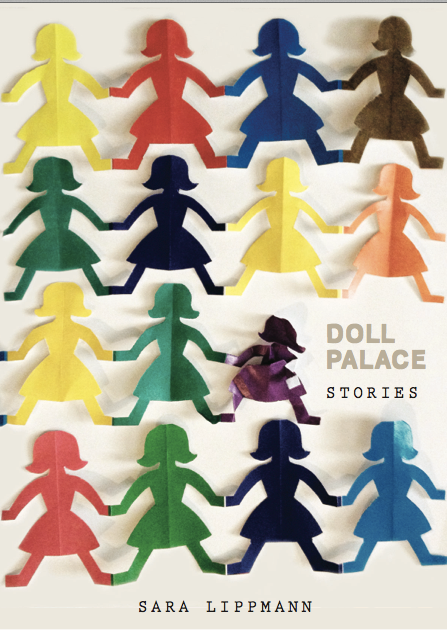
Sara Lippmann’s story collection, Doll Palace (Dock Street Press) was long-listed for the 2015 Frank O’Connor International Short Story Award. She was the recipient of an artist’s fellowship in fiction from New York Foundation for the Arts, and her work has appeared in Burrow Press Review, Tupelo Quarterly, Midnight BreakfastMr. Beller’s Neighborhood Fiction Southeast and elsewhere. She teaches with Ditmas Writing Workshops and lives in Brooklyn. For more, see saralippmann.com

JOURNEY TO PLANET WRITE: The Day the World Ended

by Walter Giersbach


My world had no endings when I was 13 in that Oregon farming and logging town.  Only beginnings.  Fields and groves were endlessly green, streams flowed forever and asphalt roads led to new sights.  Life was a page of Dylan Thomas’s poetry. 

Mornings began at 6:00 when I pedaled my Schwinn down to the Shell station for my pile of newspapers.  But first, I dropped quarters in the machines to extract a Milky Way and a Coke.  Now fortified, I gave each copy of the Portland Oregonian two practiced folds and dropped it in the canvas bag draped over the handlebars.  For the next hour I’d pedal miles to stuff them in paper boxes for my 50 customers.  I was getting rich, at $20 a month, in spite of having to hector customers who wouldn’t answer their doors when I went to collect.

Life was good, and eighth grade was a cinch with a really funny teacher who regaled us about his drinking episodes in the Navy and a strange food called pizza.

But one April morning a headline caught my eye as I folded papers.  My Dad’s name leaped from the front page.  It was a story about Pacific University that I couldn’t understand, a complicated story about the faculty in rebellion.  Accusations.  Hatred exposed.

Something had happened.  The faculty had given my Dad, the college president, a vote of no confidence.  He explained it to my two brothers and me over dinner as we sat in dumb silence.  Mom was trying to hold back her tears. “I’m resigning,” he told us.  “We’ll have to think about moving.

 Forest Grove, Ore., my world in the 1950s

Moving?  But I was at the point of telling Judy Bristow I loved her.  Soon, I’d find the courage to kiss my 11-year-old girlfriend.  Moving meant I’d never again see my pal, Frank Dunham, who double-dated at the movies with his girlfriend and had actually kissed (he said).

Our house was emptied that summer as boxes and furniture went into the Allied Moving Van.  Accumulations of papers and magazines were thrown from the attic window to the driveway.  Dad’s library and Mom’s manuscript of Oregon history were carefully boxed.  But my Red Ryder BB gun, Schwinn Black Phantom and Erector Set disappeared. 

Too soon our family and the cat were piled into our used ’48 Cadillac sedan and we headed south.  Too soon to properly say goodbye to Judy and Frank or copy their addresses with promises to write.
*  *  *
Finding myself in South Pasadena was a shock.  I was a year behind academically.  There were curious classmates — Mexican-Americans — who wore pegged pants and called themselves Pachucos.  And the girls in our church youth group were all blonde and unapproachably sophisticated.

My two new friends were geeks who read L. Ron Hubbard and J.R.R. Tolkien and wore clothes from J.C. Penney.  My only achievement was writing my autobiography by hand, pasting in Kodaks, then binding the single copy.  I got an A from my 9th grade teacher.

My brothers and I, Mom and the cat, lived in our rented bungalow and took each day as it came.  For some aberrant reason, I ate only lunchtime sandwiches of Wonderbread and Kraft Sandwich Spread.  But I didn’t die.  Dad soon found work as a fund-raiser with the Volunteers of America before landing a position with the headquarters of the Congregational Church in New York City.

I didn’t write except for that handwritten autobiography.  I read.  Science fiction, Reader’s Digest Condensed Books, the Hardy Boys and other mysteries.  But two things became clear.  One, I was Heinlein’s Stranger in a Strange Land.  Like Valentine Michael Smith, newly sent to Earth after being raised on  Mars.  Among different people for the first time, I struggled to understand the social practices and prejudices of human nature that often still seem alien.

Second, an internal universe of words appeared.  Writing, absorbing new vocabulary and explaining things articulately were easy.  Numbers came harder.  This default writing ability made me an English-Journalism major at Grinnell College in Iowa.  A career epiphany occurred the summer of my junior year.  I was invited to be a staff reporter for a Chicago suburban weekly.  I covered fires, the police blotter, sports, rewrites, even weddings, taking my own photos with a Speed Graphic.  At last, it seemed there was an escape into the real world.
*  *  *
My first job after graduation was writing copy for new Mobil Travel Guides.  Sure, it was a humdrum task — until I got an unsolicited letter from a woman who said she was home-bound.  She read the Guides to escape into a world that was out of her reach.  At last I had an audience, and every piece I wrote was directed to my secret spectator. 

Three years of serving as an Army Security Agency analyst took me to Korea and Taiwan.  Taiwan brought me a wife and some great source material I filed away for 30 years.

For the next three decades I soldiered on in corporate communications, creating, writing and editing employee publications; writing press releases; managing exhibits; crafting senior management’s speeches.  I embraced it all.  Each day was different.  No one knew my job description, which allowed me to define my position and interact with everyone from the CEO to the clerk or bench worker.  They were my audience that I worked to reach on some level of understanding. 

Upon early retirement I ruminated on why I was drawn to write two anthologies, short stories and articles.  It was simple:  Somewhere there was a person who would read my words and say, “Yes, I know exactly what you mean.  I’ve felt the same way but wasn’t able to put it into words.”  I could help that person leave his or her couch or bed and enter another world. 

In the process, I would discover meaning in the world that had turned me upside down.  That’s why I write.

Transformation
by Walter Giersbach

Burt Forsyth was ready to rip out the fingernails of the girl sitting in the pew in front of him.  That is, after he smashed her iPhone and shoved the plastic down her throat.  While the rest of the congregation stood to sing “A Mighty Fortress Is Our God,” the girl sat in her stylishly ripped jeans and scrolled her manicured nails over the phone.
“Sitting!” he whinnied hoarsely to his wife.  “Sitting during the hymn.  Texting through the prayers.  Eating her damned M&Ms during the sermon.  I could kill her.”  His heartbeat rose and he could feel his body shaking uncontrollably.
“Perhaps it’s her parents’ fault,” Beth whispered.  “Not everyone has the upbringing of you and I.”
“Or two hundred other members of our church,” he steamed.
Rev. Abernathy was praying something about “O God, we seek the transformation of the world, but we fear the change it could bring to our own lives,” and Beth shushed him from going on.
Burt had an obligation to the parish as one of its deacons.  A duty to maintain tradition.  Church was a sanctuary to restore reason out of chaos, to sew up the raveled edges of behavior among the easily confused.  He was a rational man trained in a rational profession to act in a rational world.  If there was no control of the forces that shaped your life, he would often tell Beth, then what point was there to life itself?  As a lawyer, he prided himself that the legal profession was the only thread of tradition that prevented Western civilization’s entropy.  And the Presbyterian Church.  That too.  God and the Law.
Beth had volunteered to serve coffee after the service, so Burt stood in the hall off the kitchen nodding to parishioners.  He joshed an old timer about his golf handicap, knowing the man would never play again.  The pastor button-holed him about the Thanksgiving service coming up before being pulled away by an extremely small lady wearing a fur stole.  Burt stared at the lady’s dead animals — 50-year-old, moth-eaten minks, he believed — draped over her shoulders on a 65-degree day.  The animals’ glass eyes glared balefully back at Burt.
“Mister?”
He turned, bumping into the girl with the iPhone and almost spilling his coffee.
“A guy there told me you help run this place.”
Burt managed to choke out a “Yes?”
“I wanted to say I had a good time.  I never been to church, but my friend kinda dragged me.  So,” she shrugged, “I didn’t understand a lot, but I texted myself about what I thought was important.  So I’d remember later.”
Burt stood a head taller than the girl, looking down at her unruly hair and the piece of metal piercing her eyebrow.  The sound that came out his mouth could be taken for an affirmative gargle.
“This Matthew,” she said, screwing up her face as though its parts — nose, eyes, cheekbones — had been bought at a discount store and hastily assembled.  “He was a saint, right?  One of Jesus’ whattyacallits.”
“Disciples,” Burt muttered.
“I’m going to Google him.  If it’s okay, I’ll come back next time.  Okay?  My name’s Tara.  Who’re you?”
“Burt Forsyth.  We’d love to have you, Tara.”  The words came out as a choke. 
“Hey, Burt, thanks..”  She smiled once, pirouetted scarecrow-like, and walked out the door.
There was a vacuum in the room after she’d left, as though a hole had opened in an airliner that left him gasping at the change in air pressure.  The smell of coffee and cinnamon rolls weren’t sufficient to replace the sensations that had left the room with the girl.
“Why are you so silent?” Beth asked in the car, giving him a curious look.

“Just thinking.  Maybe we need some more young people to season the gentry.  Sort of balance the demographics.”

(originally published at Every Day Fiction.)

____________________________________


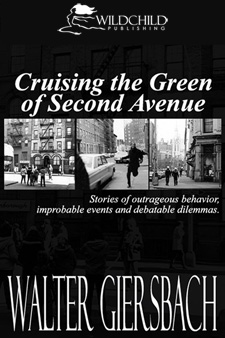
Walt Giersbach’s fiction has appeared in Bewildering Stories, Big Pulp, CommuterLit, Connotation Press, Corner Club Press, Every Day Fiction, Gumshoe Review, InfectiveINkLiquid Imagination, OG Short Fiction, Over My Dead Body, Pif Magazine, Pulp Modern, Pure Slush, r.kv.r.y, the Story Shack, Short-Story.Me,and a dozen other publications.  He also writes on military history and social phenomena.  Two volumes of short stories, Cruising the Green of Second Avenue, were available until his publisher ceased operation.  He directed communications for Fortune 500 companies, publicized the Connecticut Film Festival, and managed publicity and programs for Western Connecticut State University’s Haas Library. He blogs at http://allotropiclucubrations.blogspot.com/ while maintaining Web sites devoted to the children’s book author Holling Clancy Holling and the Manchester (NJ) Writers’ Circle.


JOURNEY TO PLANET WRITE: It’s a Journey, Not a Destination

by Len Joy

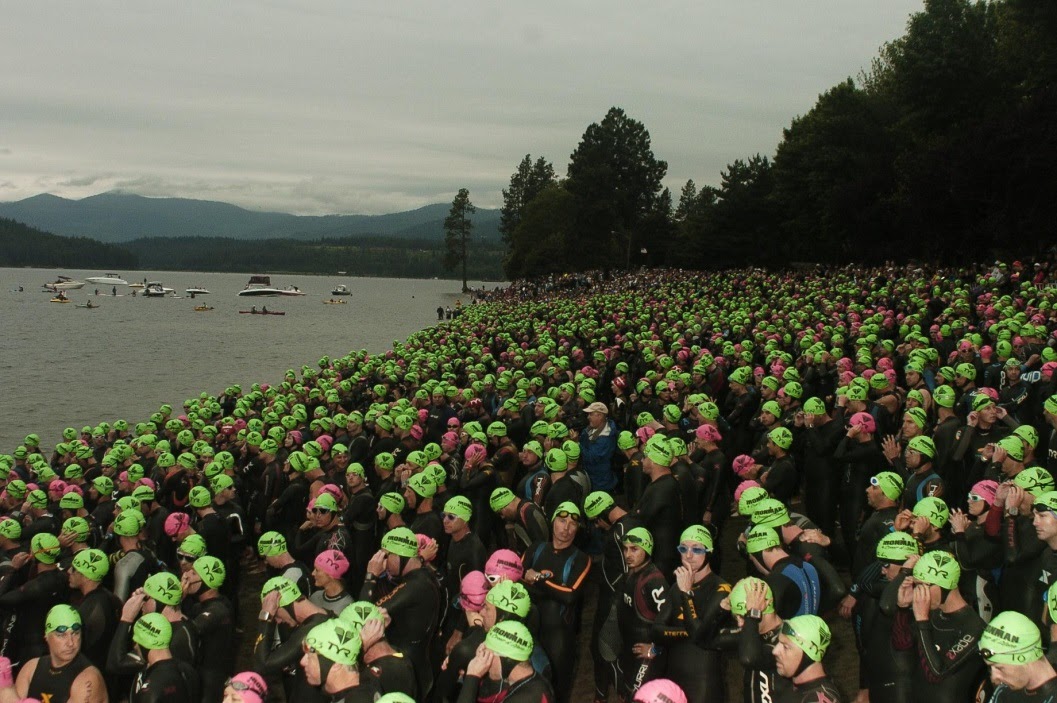
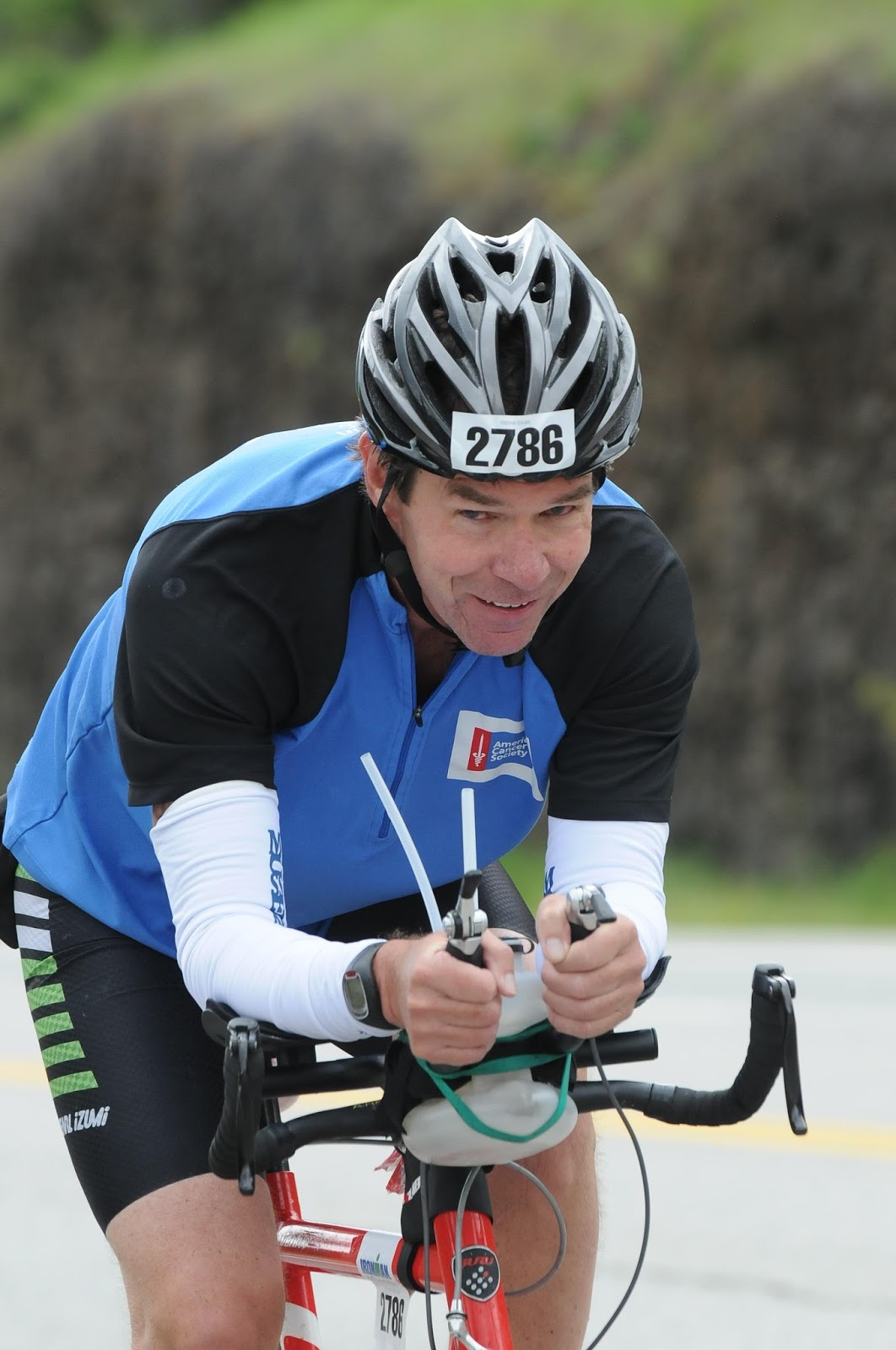
Ironman Competition at Lake Coeur d’Alene


At 6 a.m. I wade into the frigid waters of Lake Coeur d’Alene with 2,500 triathletes. I have trained for this Ironman competition for fifteen months. The winds are brisk, the water choppy, and it has started to rain. I have seventeen hours to finish the race.

After years of recreational running, I decided I wanted to become an elite triathlete.  I always believed I could teach myself anything if I just found the right books. I studied the sport, read the inspirational success stories, and developed my own program. For the first couple years I made steady progress, but then I plateaued.  My wife told me I needed help. She didn’t say what kind, but one of the life lessons I’ve learned is that sometimes she’s right.

Samuel Beckett

I hired a professional trainer. I told her my goals were to complete an Ironman competition and finish in the top ten of my age group in the USAT Nationals. We developed a plan. She assigned drills to improve my technique and form, and critiqued my performance both in workouts and races. Knowledge and feedback made a huge difference.  


The year I went off to college, Samuel Beckett won the Nobel prize in Literature and Joe Namath won the Super Bowl. I was more familiar with Namath’s work. I had two secret goals when I left home. One was to play professional football (I saw myself as the next Fred Biletnikoff) and the other was to become a writer.  It didn’t take too many college football games for me to abandon my football goal and only one excoriating critique from my early American literature professor to extinguish my dream that I would someday write the great American novel.

 Joe O’Neil

I went into business and for fifteen years I owned and operated an engine FRED remanufacturing company. I commuted between Chicago and Phoenix, logging over a million air miles. On those long flights I would read literary magazines and novels and sometimes I would write poems and short stories about people I encountered.


Christine Schutt

About the same time I launched my triathlon quest, I began taking writing courses at the University of Chicago’s Graham School and attending summer writer workshops. I took eight courses at the Graham School and participated in workshops at the Iowa Festival, Tin House, Squaw Valley, Skidmore, Norman Mailer, Sewanee and Bread Loaf. I also joined the Zoetrope Virtual Studio. This online community of writers offered me a writing “home” where I communicated on a daily basis with other aspiring writers. Over the last decade I critiqued over five hundred short stories, poems and flash fiction pieces for Zoetrope members.


Robert Boswell

The classes gave me the basic tools so I could write a coherent story. Zoetrope and the summer workshops, in addition to introducing me to many other writers, furnished me with valuable feedback on my own stories and helped me learn how to evaluate the work of others. Sewanee and Bread Loaf provided me the opportunity to learn from established authors like Joe O’Neill, Christine Schutt, and Robert Boswell.


I started submitting stories for publication and had several published. I also participated in the Chicago literary scene, reading at various open mic venues where writers can share their work.

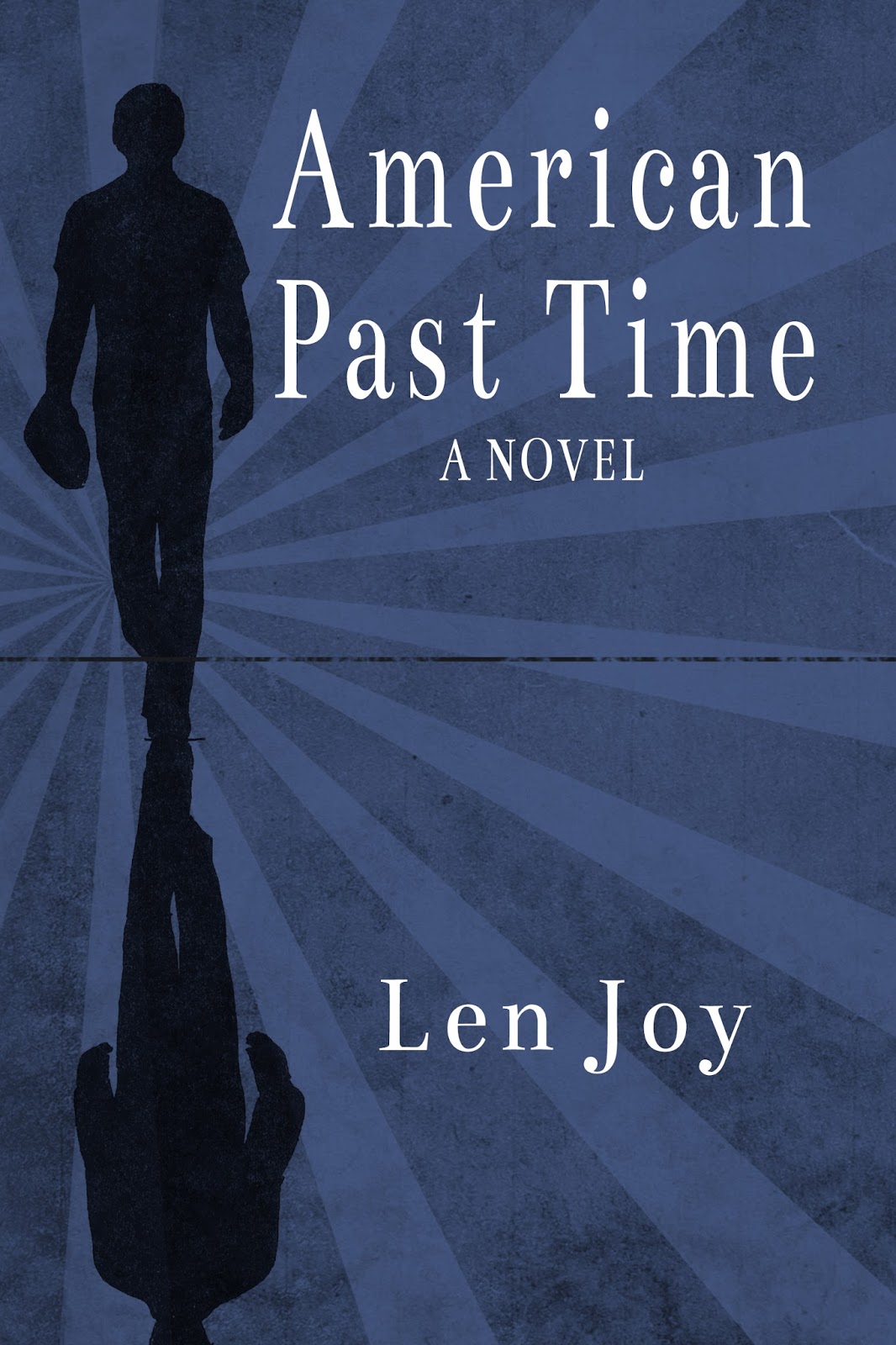
In June 2005 my niece asked me to write a story to be read at her wedding in September. I thought that was a really bad idea and eventually she abandoned the notion, but not before I wrote a thousand word story called, “The Toast.” Eight years later, after dozens of rewrites and professional critiques, that story evolved into the novel, American Past Time,  which was published in 2014 by Hark! New Era Publishing. The reviews were favorable and it was gratifying to have readers tell me they loved the book.

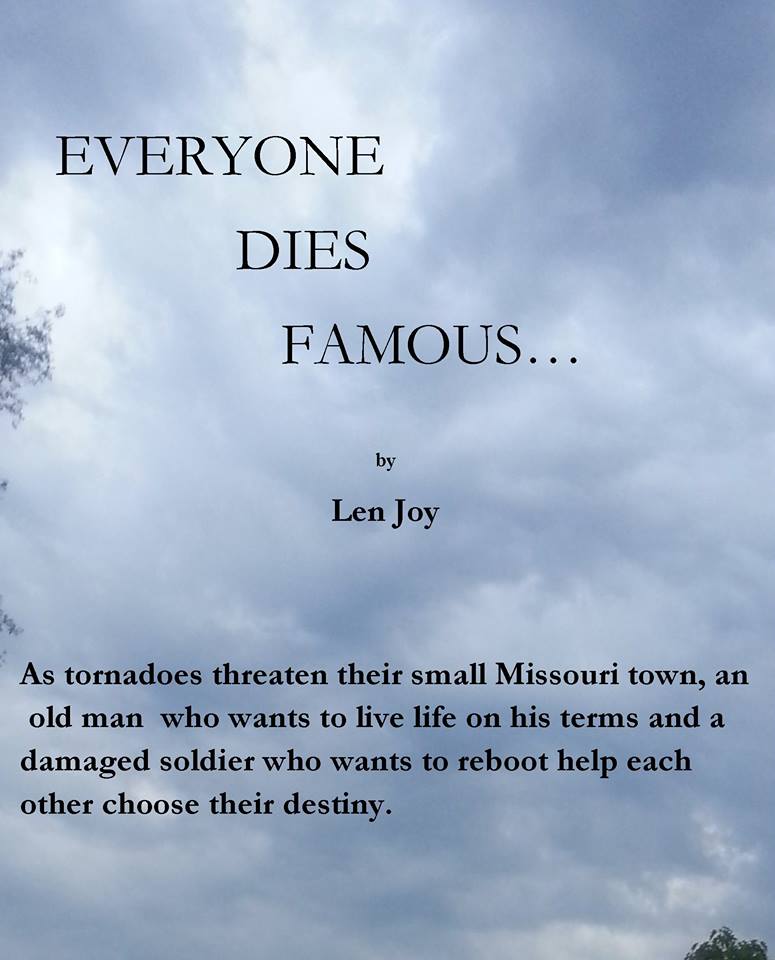
This summer I finished my second novel, “Everyone Dies Famous…” It will be published sometime next year, but I’m not waiting. I’ve begun work on my third novel, as I’ve come to the realization that if I spend eight years between novels, I’ll run out of time before I run out of stories. 

Lake Coeur d’Alene is just like Lake Michigan – cold and choppy. It only takes me 92 minutes to complete the 2.5 mile swim. But on the 112 mile bike course, as I struggle with the last, long uphill climb, the sun melts the clouds, the wind shifts into my face and my “speed” slips from 8 to 7 to 6 to 5 mph.

Most people can walk faster than that.

Then, with sweat dripping in my eyes and my leg muscles burning, I remember the final words of the inspirational video they showed us the night before: “The only thing you can control is your attitude.”

It sounds hokey, but it works. I stop cursing the mountain, which would rise to the clouds if there were any, and instead I gaze out over the valley below. Birds soar effortlessly above a stream that meanders through a pasture while sheep stand around making fun of those nutjobs on bikes.


It is beautiful, and if not relaxing, at least distracting. I know I can finish the race. I am not going to set any record so I order myself to enjoy the ride. I am up and over that final hill before I realize it. And even though I have never attempted a marathon, I run the entire 26 miles.  As I enter the homestretch, which even at the 15th hour is still lined with cheering spectators, I hear the announcer say my name and then do a double take.
“Wow, sixty-one years old! His first Ironman!  Len Joy! You. Are. An. Ironman!”

I have to take a few extra deep breaths to compose myself, then I sprint the last ten yards. The athletes I train with, like my fellow writers, are pursuing individual goals, but we are still a team, united by our common goal. When I cross the finish line they are all there to cheer for me.

I am committed to writing.  I don’t know if there is a finish line. I’d loved to have my novel accepted by a major publisher and have my stories read by thousands instead of hundreds. But I’m grateful for those hundreds of readers and if I’m never discovered by that big house, that’s okay. It’s a journey and I’m enjoying the ride.


The Birdhouse Builder
by Len Joy

We’re in the seasonal interregnum. The last winter snow hangs on in the shadows of my parents’ two-story colonial, while the first wave of migratory birds circle the neighborhood, checking out the accommodations. Dad wants to reconstruct the birdhouse. The son of a farmer, he can fix broken things. Build stuff. Use tools the right way. I have none of those skills. As a boy I was his unhappy assistant. “Hand me the needlenose,” he would say, his arm reaching back, head buried in the bowels of the cranky Maytag washing machine. I would stare at the battlefield of tools surrounding him and try to pick one that resembled a needle nose. I usually guessed wrong.

He has disassembled the remnants of the old birdhouse. Measured the wood slats and created a spec sheet. He doesn’t trust his memory anymore. It’s less reliable than that little boy who would hand him vise grips instead of pliers. When I was a kid these projects would start with a trip to Ike’s Hardware. That was in the small town where I grew up, not this resort town where my parents have grown old. Back then Dad never had a spec sheet – usually just a scrap of paper with a few odd numbers on it. Ike’s was full of open bins of screws and bolts and nails and rolls of sandpaper and shelf after shelf of hand tools. It had a metallic, oily smell – different from a Home Depot or Loews or one of those garden-hardware-lumber behemoths.

That’s where we go now. Krendall’s Home Center. It has patio furniture out front. And a greeter. My dad walks slowly, dragging his left leg. He had a hip replaced ten years ago. The greeter asks me if she can help us. My dad says, “Specialty Lumber.” She smiles at him and tells me to go see Ray in the lumberyard behind the store.

Ray looks just like Ike – sandy crewcut and a red hardware apron. But now he’s twenty years younger than me. Dad would usually tell Ike what he was working on and Ike would nod and maybe rub his chin and then hustle off to retrieve the hardware. Dad tries to describe the birdhouse to Ray, but Ray can’t follow him. I can’t either. There is a thin bead of sweat on his upper lip and I want him to wipe it away, but he just starts over, trying to explain his project. Ray turns away from him and asks me what it is we want.

I’m just the boy. Why is he asking me?

“Show him the paper, Dad.” 

He has forgotten about his sheet. Dad pats his pockets and on his fourth pocket he finds it. Ray looks at Dad’s detailed drawing and the list of pieces and parts and then he nods like Ike.

We bring home a sack of wood slats and black enamel and half-inch wood screws. Dad lays everything out on his work table. He picks up one of the slats and turns it all around. His hands shake and his grip on the piece is tentative as though he doesn’t know what to do with it. My mom calls from the kitchen. Lunch is ready.

After lunch Dad takes a nap. Three years later, after my dad dies and I move Mom to the assisted living facility, I clean out their house. I find the birdhouse parts stuffed back in their Krendall Home Center bag tucked away in a far corner of the garage.

(Originally appeared in  FWRICTION: REVIEW)

Description: Description: http://www.zoetrope.com/img/dot.gif


__________________________________________


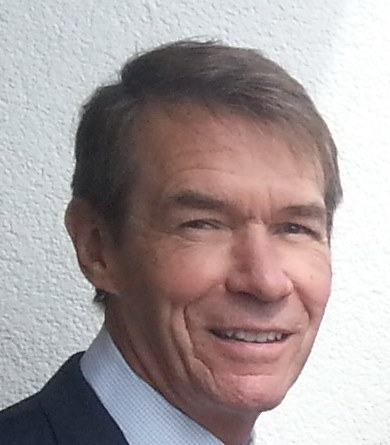
Len Joy lives in Evanston, Illinois. His fiction has appeared in several journals including Annalemma, Johnny America, Pindeldyboz, Hobart, 3AM Magazine, and Dogzplot.
His first novel, American Past Time, was published by Hark! New Era Publishing in April 2014. It was described by Kirkus Reviews as “a well-crafted novel and darkly nostalgic study of an American family through good times and bad.”  His second novel, Everyone Dies Famous… will be published in Fall 2017. He is a nationally ranked age-group triathlete and is a member of TEAM USA which represents the USA in International triathlon and duathlon competition.

JOURNEY TO PLANET WRITE: The Sound of Rushing Waters

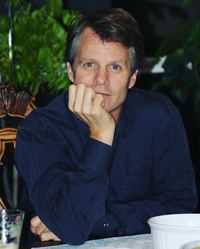
by Robert Vaughan

I will never forget the first time I was called FAGGOT.
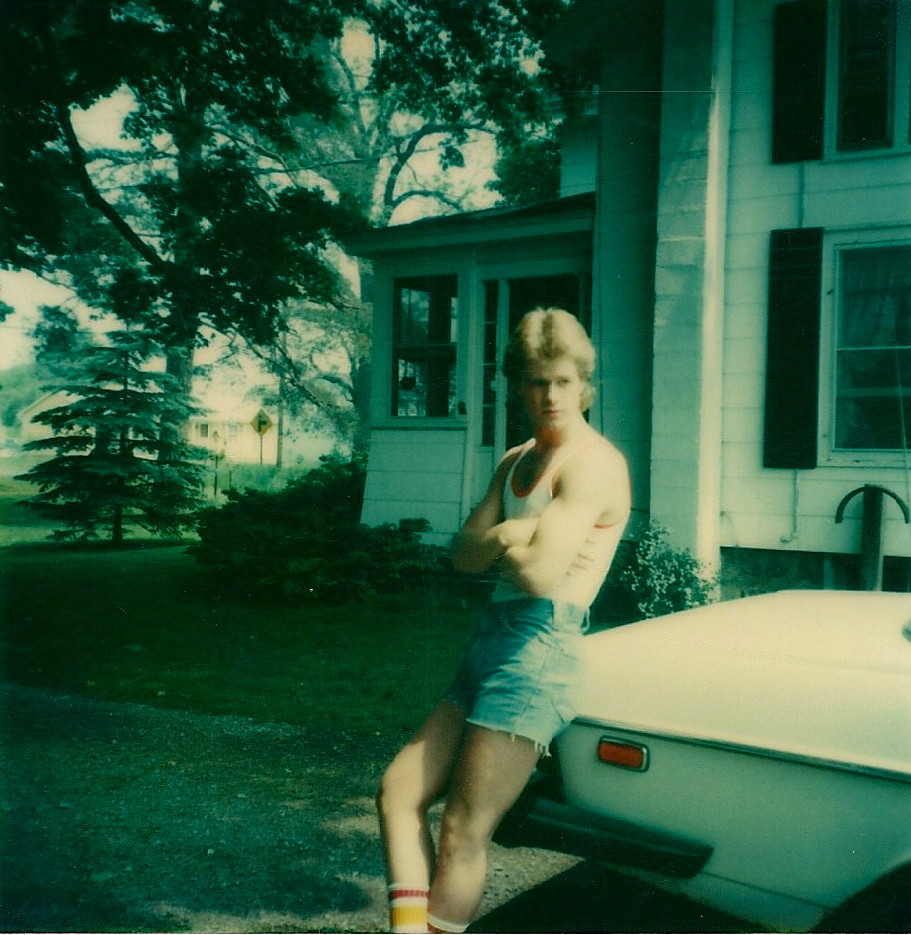
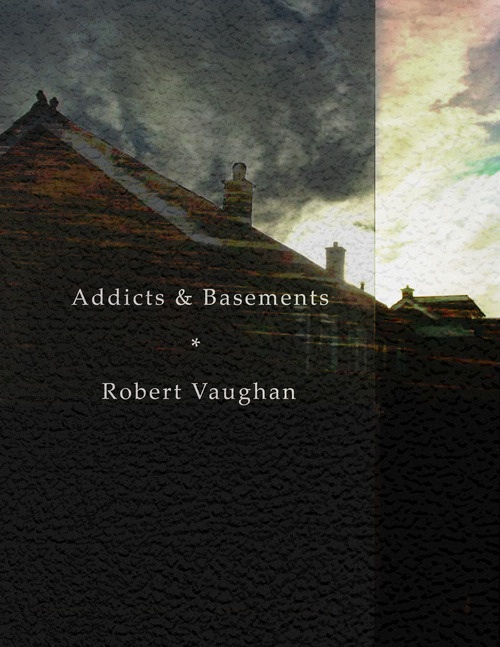
I used it in the premise for the poem called “What Some Boys Do” (included in my book, Addicts & Basements). You see I was too young to know what that word meant. What I did know: men liked me. I’d been raped the previous year by a complete stranger. He had a deck of cards, and beer, and lured me into his tent. What I remember: his hunting knife at my throat, face suffocating as it was pushed into the tent floor. The sound of rushing water in the adjacent creek. And pain. Searing pain like I had never ever felt before.
So, when those boys on our bus called me FAGGOT… 
I was pretty sure I didn’t like men. Certainly not my father.  And his friends were equally gross. Revulsion. My escape was on my horse, or bicycle, and mostly books. In eighth grade, I started a journal to document (in drawn codes) how often I either drank, got high, or both. It’s a practice I have never stopped, journaling, although what use the journal has for me continues to grow exponentially.
As a college freshman, my teacher, Karen, sat on her desk, talked about writers like Gertrude Stein and Jack Kerouac. Symbolism or writing as investigative journalism. Liked my enthusiasm for our group projects. Suggested I take a creative writing class. I was too busy—I was lead singer in my second band, Traiil, and we were booked for paid gigs on most weekend nights. It took that year for me to realize that my music career, gigs, bands, and mostly groupies, were not for me. It also happened to be the same year that my first gay mentor, Harvey Milk, was shot and killed while serving as city supervisor of San Francisco. The message was clear: nowhere is safe, if you are gay. Not even in America.
Two years later, I transferred to Brockport State University. I took mostly theater and dance courses (with Garth Brooks). Eventually, an invitation to join the Writers Forum came from director, Peter Marchant. This was intimidating, simulating, and I allowed myself to dream about a writing life for the first time. My poetry was pedantic, my prose as stiff as my Izod shirt collars, and yet when I heard Grace Paley read (and went to her interview), I vowed I would never give up. Her books, Enormous Changes at theLast Minute and The Little Disturbances of Man inspired me. Also Raymond Carver, Lorrie Moore, Jayne Anne Phillips, Donald Barthelme, Janet Frame. We read so many new authors (to me) that year and the next. Short stories! Short fiction! I was hooked.
During my 20s, I was a flip-flopper. Men, women, men, women. And sure, there is bisexuality, and the Kinsey scale defines us all sexually somewhere between 1 and 10. My problem: I was a 5. Always in the middle, always searching for myself through others. Trying to lose myself through love. Then my best childhood friend, James, was murdered in Bangkok. That upheaval was devastating. James was a writer and our love of books and writing was instrumental. I took an extended period off from work, and had an undiagnosed (at the time) breakdown. Fortunately, with guidance from dear friends, I ended up on Maui’s Makena Beach. Clothing optional. Bare and pared down to essentials, I chose to live. And nature brought me, quite literally, back to life.
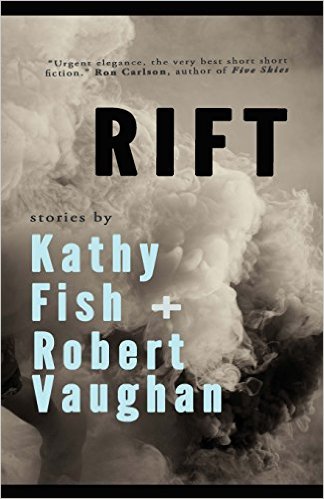
Fast-forward through three long-term relationships, buying houses, setting up joint accounts, couples therapy. It’s been a long road, but here I still am, slogging away. I was a buddy in the mid-80s when you were trained at a hospital to attend to your HIV positive “client’s needs.” All three of my clients died within one year. When I moved to Los Angeles to get away from the carnage, too many people dying in NYC, it just continued on the west coast. Somehow in 1987, my first play was produced in San Francisco’s One Act Festival. It gave me hope, and buoyed me- yes, I am a writer! That same year, I had a short fiction piece published in The L.A. Weekly (“Night Life,” included in my fourth book, RIFT). These were early signs that bolstered my confidence.
Chaotically, I grew into that faggot. There are numerable other stories, other avenues I have explored. But those are transmuted for fiction, poetry, and memoir. I am slowing, now, to a gentler pace. I’ve been with my boyfriend since 2003. Living in the same house in the Midwest (really? This coastal guy?); the longest I have ever lived in any one place, even as a child. One of the greatest gifts my partner gave to me was this full time writing life. So many books surround me, including five of my own. These are all nods to him, of course. I teach part-time, an editor on my fourth journal (b)OINK). I co-hosted a radio show called “Flash Fiction Fridays” on the local NPR affiliate. I’ve published fiction and poetry in over 500 literary journals. Four of my plays have been produced.
And I am still that faggot. In fact, I’m every faggot now. And why do I write? For anyone who doesn’t have a voice: my elementary school janitor, my high school nurse, my hen-pecked mother, cousin John who died on the street. And for all of my friends who no longer exist in human form: James, Terry, Ron, Sally, Mel (Snow Dove!), Frank, Dan. I continue to share your stories, our stories.
And I’m so fortunate, and grateful to be alive.

Truly.

The irony is never ever lost on me.


What Some Boys Do
I sat on the bus
same seat as yesterday
heat of  a mid- June afternoon.
Earlier my teacher,
Mrs Starr, asked:
Why is the sky?
How is the ocean?
“What’s in the bag?”
Joe Ferris presses.
His breath smells of
tuna fish. I squeeze the
soft bag tighter
between my legs.
Craig Neff peers
over their seat.
“Answer him, faggot.”
This is what some boys do.
I’m tight-lipped, breath held,
face flung.
I am flying through the sky now,
skimming over the ocean.
The brakes squeak as
the bus pulls over.
Mrs. Nolan, bus driver,
bellows “Turn around, Neff!”
My mother never warned
about the scarf I was
knitting for Grandma Meyer.
It was pink, her favorite color.
My mother never explained
this is something you do
at home. She never said
this is what only some boys do.
What she did say is
when your grandma sees
this scarf, you will make
her very proud.

_______________________________________________

Robert Vaughan teaches workshops in hybrid writing, poetry, fiction, and hike/ write. He has facilitated these at locations like Alverno College, UWM, Red Oak Writing, The Clearing, Synergia Ranch and Mabel Dodge Luhan House. He leads writing roundtables in Milwaukee, WI. He was a finalist for the Gertrude Stein Award for Fiction twice (2013, 2014). He was the head judge for the Bath International Flash Fiction Awards, 2016. His short fiction, ‘A Box’ was selected for Best Small Fictions 2016 (Queen’s Ferry Press).
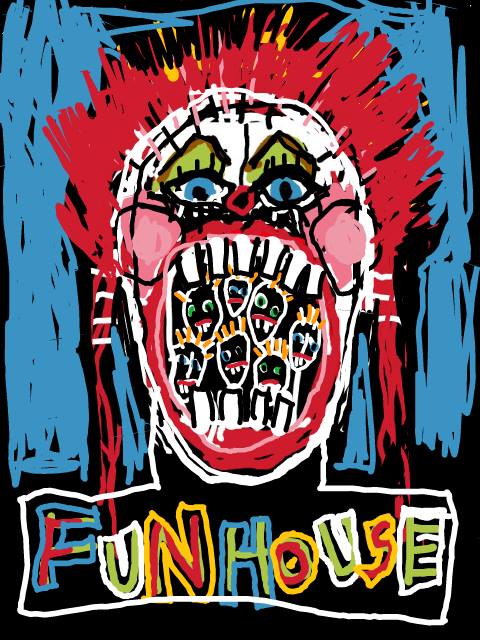
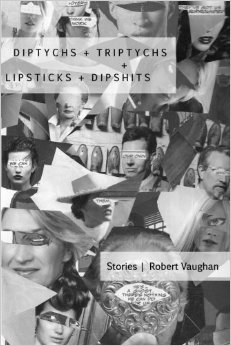
Vaughan is the author of five books: Microtones (Cervena Barva Press); Diptychs + Triptychs + Lipsticks + Dipshits (Deadly Chaps); Addicts & Basements(CCM) and RIFT, a flash collection co-authored with Kathy Fish (Unknown Press). His new book, FUNHOUSE (Unknown Press) is scheduled for release in December, 2016. He blogs at www.robert-vaughan.com.
JOURNEY TO PLANET WRITE: From Zero to 60 and Then Sum

by Nancy Cole Silverman

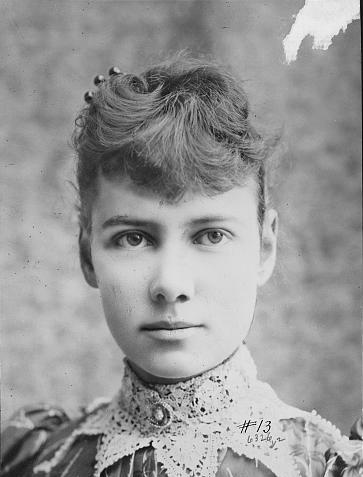
Nellie Bly

Growing up, I wanted to be the next Nellie Bly, a nineteenth-centuryinvestigative reporter who would risk it all for a story. In grade school, convinced I was going to be a journalist, I launched my own newspaper and wrote a lot of short stories. Most of which my teachers gave mixed reviews. I was hardly a child prodigy. In fact, my successes back then were largely zero. Spelling and grammar evaded me. But ideas? Well, even then I was a lean intype of gal.


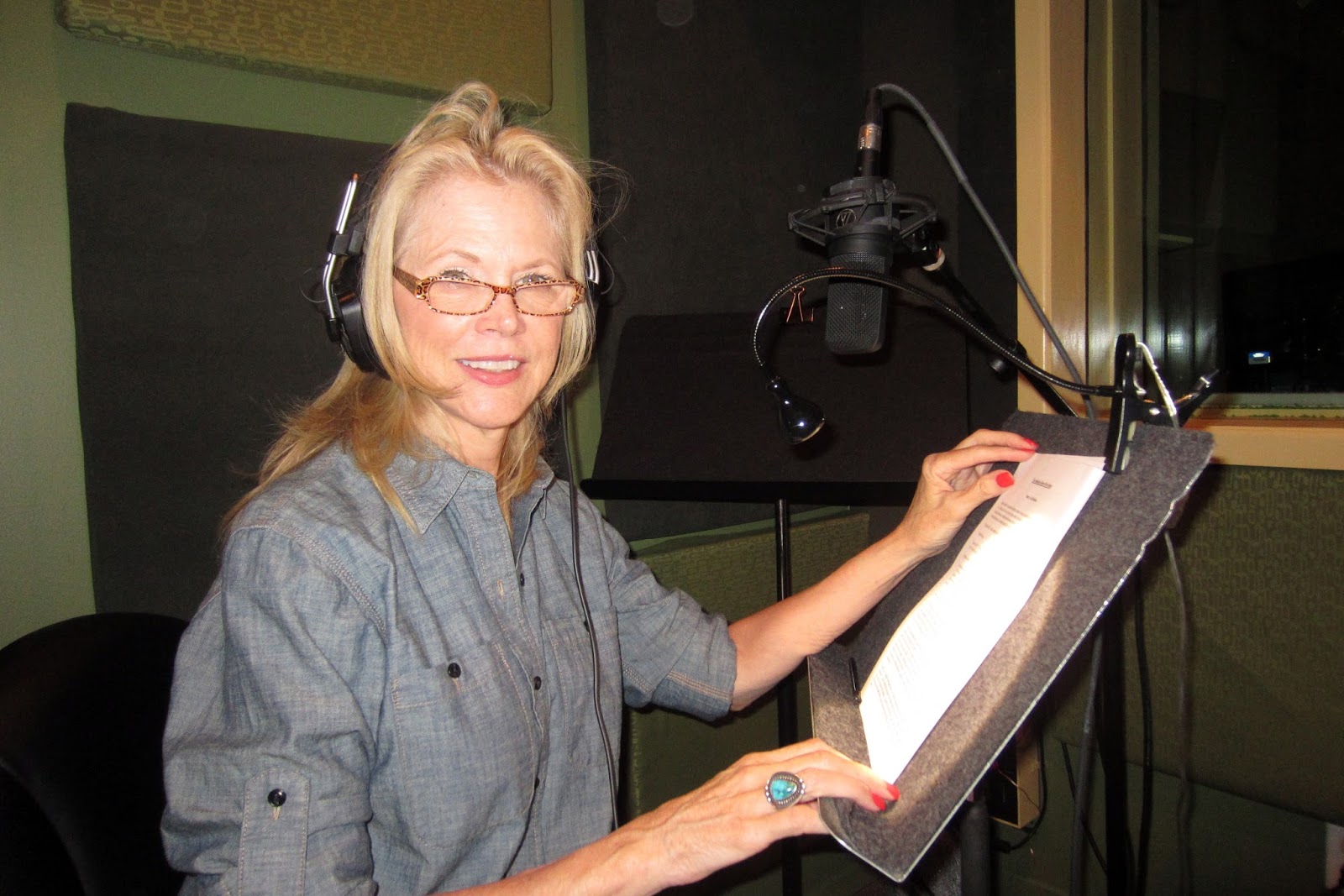
My professional journey as a writer began inside a radioand television station in Arizona, in the sixties. At the time, I was one of the few female voices on-the-air, and most of what I did–in addition to making coffee–was soft news. Things like; an interview with a woman who had found her mother’s engagement ring. Tips for cooking the holiday turkey. And on a particularly busy news day, updates on roadblocks and traffic signals. Back then, women’s voices were considered too light for serious news. After all, who would believe hard news, coming from the mouths of the fairer sex? To quote a popular expression: We’ve come a long way,baby!

I started my career writing ten, thirty and sixty-second news and commercial copy, and if I was lucky, I got to voice it as well. What I learned was to stick to the facts and to write tight, smart and visual. If I was writing for television, to accompany film, less was more. While if I were writing for radio, I needed to use words that would make the listener believe he or she sawthe story as it unfolded. In a sense, I suppose my career as a writer began by writing short–very short–works of flash-fiction. Albeit at the time, I was writing news and not fiction.


The hardest part of my growth as an aspiring novelist was giving myself permission to blur the lines between fact and fiction. Which didn’t come easily. Nor did going from seventy-five words or the equivalent of a thirty-second spot to a three-hundred plus page novel. That took time. About twenty-five years worth. Up until then, the closest I got to doing anything fictional was entertaining my cohorts in the newsroom on a slow news day. Like a stand-up comedian, I enjoyed blending the elements of several top news stories to make for a more ratings-driven read. Ha! Ha! The joke was on me when I realized my news director was standing behind me like the Grim Reaper. “Do that again, Nancy, and you’re out of here.”

Okay, I could be stifled. And for the sake of being a single parent with two kids to support, I adapted. But I’d be damned if I’d be quelled. So I socked away a lot of those story ideas for a later date.

In 2001, I retired from radio. Not with a gold watch, as was befitting in my father’s day, but with a brass ring. Enough money under my belt to start fresh and to pursue what had been my life-long dream. An equestrian newspaper and a horse to go with it. Talk about out to pasture! I was in my hay day, excuse the pun, and founded The Equestrian News, a SoCal equestrian pub that allowed me to ride and write twenty-four seven. I loved it,and I probably would have contented myself with the life of a newspaper publisher, if it weren’t for the fact that I had an accident.
In 2011, I got bucked out my life. That’s right, BUCKED! My beautiful, bomb-proof horse showed me otherwise and dumped me on a trail with much more than a bruised ego. It wasn’t until I was home from the hospital, after two surgeries and lots of physical therapythat realized it was time to hang up my stirrups.

Once again, it was time to reinvent myself. Find a new career and settle on a new venture.

I’ve always believed the story picks the writer. And if ever there was a story that picked me, it has been those that I write about in the Carol Childs Mysteries.

Writers know about what they write or learn it on the fly as they research and invent those instances to which they are drawn. For me it was easy. I had spent the better part of my adult life in and around newsrooms. And since I’d been bucked out of semi-retirement, I figured returning to a newsroom, at least in my imagination, was safer than risking it all on the back of a horse and a delightful way to return to an industry I loved.


The Carol Childs Mysteries have been fun to write. Not easy, but fun. Like I said, the hardest part for me was letting go of my journalism roots and trying to forsake the image of a crazed news director standing over my shoulder wielding the Grim Reaper’s sickle. I think the discipline of working nine to five with constant deadlines was a big help. As for the rest of it, when I face the blank page, I think of it like I did when I was writing for radio, as theater of the mind. I’m not only the director, but I’m alsothe foley artist for sound effects and the actor for dialog. As for the story ideas, I’ve got a headful from my days in a newsroom and blended and punched up for effect’s sake. 
Stay Tuned. Book four, Room For Doubt, debuts July 2017.

________________________________________


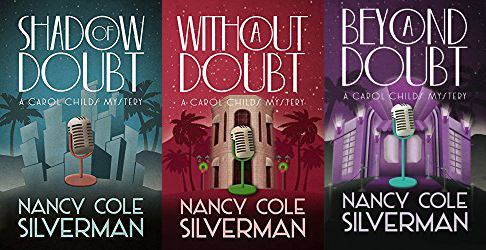
Nancy Cole Silverman says she has to credit her twenty-five years in radio for helping her to develop an ear for storytelling. In 2001 Silverman retired from news and copywriting to write fiction fulltime. Much of what she writes Silverman says is pulled from behind the headlines of actual events that were reported on from some Los Angeles busiest radio newsrooms where she spent the bulk of her career. In the last ten years Silverman has written numerous short stories and novelettes some on which have won awards and/or been picked up for publication. In 2014, Silverman signed with Henery Press for her new mystery series, The Carol Childs’ Mysteries. (Shadow of Doubt, December 2014, Beyond a Doubt, July 2015, and Without A Doubt, May 2016.

Nellie Bly Photoprint copyrighted by H.J. Myers
via Library of Congress

A Year’s Worth of Journeys to Planet Write


We’ll be kicking off January 18th with Nancy Cole Silverman.  


We’ll be back on January with the journey of Nancy Cole Silverman.  Happy Holidays!

Here’s a list of our prior Journeyers:

JOURNEY TO PLANET WRITE: Wake Up!

by Karen Stefano


In 2007 I sat in front of my computer inside my office at a prestigious pressure-cooker of a law firm. The computer had a key board on a track that slid beneath my desk and back out again, a contraption intended to maximize ergonomic efficiency. Ergonomics held great importance since I (like so many other lawyers) spent hours and hours hunched over my workspace, tension coursing through my neck and shoulders, devoting my writing talents to briefs, emails to clients, nastygrams to opposing counsel. Soul-sucking work that paid well.

The keyboard track had been sticking, refusing to simply glide in and out with ease. This frustrated me. I needed to bang on that keyboard. I had work to do! And so I wrestled with it, none too gently because let’s face it: these high priced electronics didn’t belong to me and I didn’t give one shit about treating them gently. I shoved and pushed and twisted. Finally it slid out with a crack and one of the keys flew up and smacked me hard, straight in the face, then fell to the floor. I bent down to retrieve the offending key and as I rolled it over to see where on the board it belonged, I saw that it held two words: Wake Up.

Wake Up.

Wake Up.

Wake Up.

Sometime thereafter I heeded that key’s warning, a message I like to believe came straight from the magic of this Universe. While I still had to support myself, I left my fancy firm, found a less intense environment, cut back my hours, decided to take myself seriously as a writer.

**
I grew up female. I was taught to not ask questions, to be quiet, to be a little lady.

I complied.

In my compliance I lost my voice.

In my compliance I found my voice.

I started to read. Reading was quiet, safe, reassuring to my parents. Reading was explosive, dangerous, pushing me to expand my mind, to feel things, to delve deep.

Sometimes I have difficulty speaking, difficulty making the words behave as they stumble from my mouth. Consequently I often inadequately articulate my feelings, my needs, the conflict raging inside me. It happens because while speaking, my brain hits the edit button too much. (Like many women, this reticence appears only when advocating for myself. Fight like hell for a client? No problem. Stand up for myself? That’s more fraught).

Writing, I don’t have this mental handicap. Which is not to say the words flow magically from my fingertips onto the page. They don’t. But with effort, with slow quiet time on my side, I can make them line up in a way that makes sense. Putting words on the page, telling my story, is a healing process. Writing gives me what I don’t always find in the world: power, control, release, clarity, beauty. Writing is how I find my way out of hell. It’s a way to take control of my runaway mind.

Writing gives me back my voice.

We only get one life. Mine is not perfect but I am now devoting myself to something I love. Writing is a willingness. A willingness to share my true self, to put myself on the page. I don’t believe in writer’s block. Writer’s block is fear and we must all find our way out of fear. Writing is the ultimate act of self-care, of believing in oneself. It is the ultimate act of courage. I like feeling courageous. It makes me feel proud of myself –and what can beat that?


Seeing
by Karen Stefano

We walk the same streets as another restless day tapers off, anxiety pumping through each limb as we pass the sleeping homeless, silently remembering how our mother dressed us as bums one Halloween because she’d prepared no other costume, how she recast us into smudge-faced little ragamuffins, but now these bodies around us are grotesque carcasses we won’t step near for fear they will reach out, infect us with their loss, their sorrowful stench, transforming us with a touch into them….and as we hurry past I try to distract you by pointing to the trees, their branches riding on the breeze, licking at the sky and I show you what I see inside their shapes, a woman shaking a cane like a threat, a weeping long nosed dog, a monocled bear, but when I try to make you see what I see, your eyes fade, you won’t look at my trees and I feel your heart return to its crypt as you stare down the gray concrete under our feet, saying, your voice a low warning, hand gripping mine, nails digging into my flesh, that visions like mine only appear in clouds.

_______________________________________


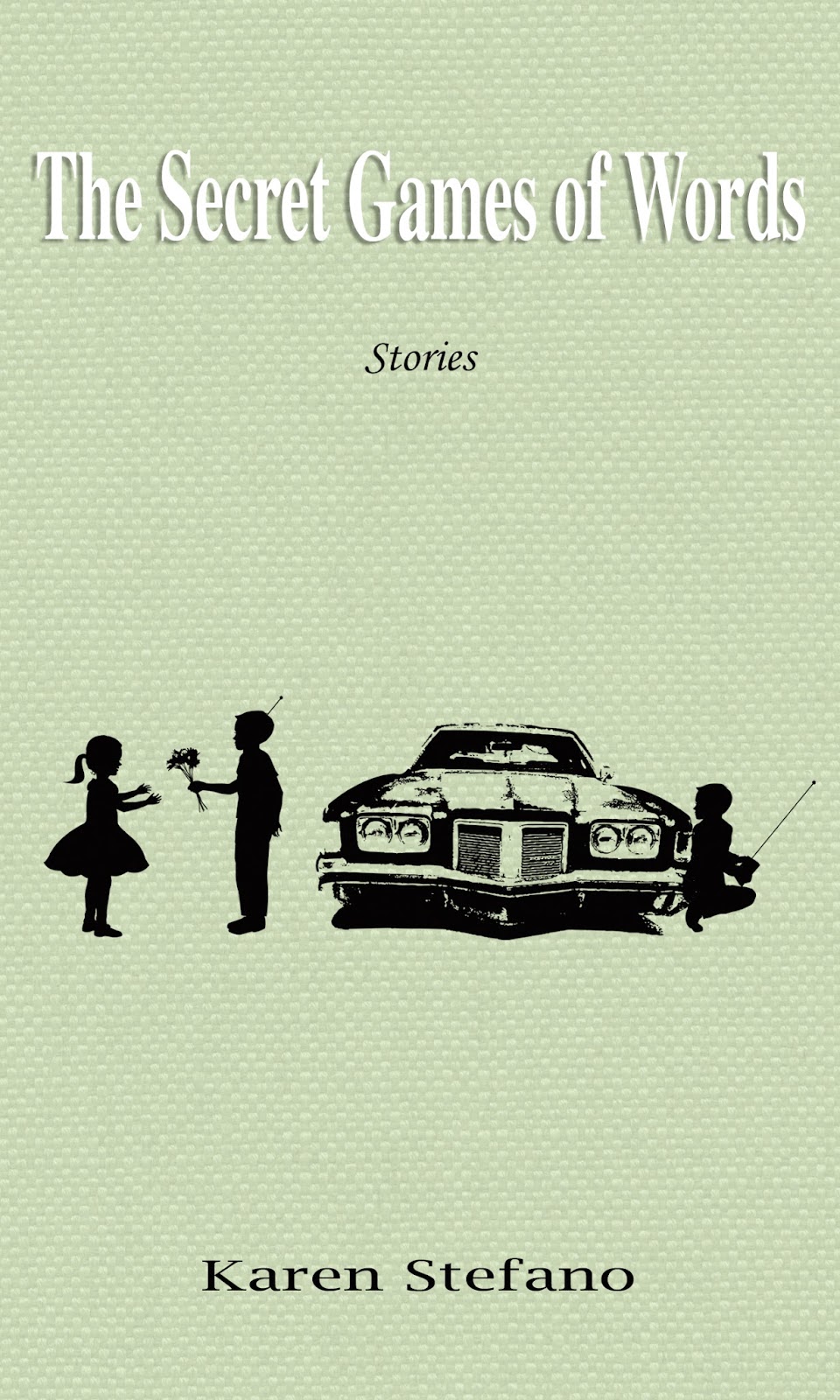
Karen Stefano is the author of The Secret Games of Words, published by 1GlimpsePress (2015).  She served as Fiction Editor for Connotation Press from 2014 through 2016 and her stories have appeared in The South Carolina Review, Tampa Review, Santa Fe Literary Review, Epiphany, Lost In Thought, Metazen, Green Mountains Review, Gloom Cupboard, and elsewhere. Her story, “Seeing,” was nominated for the XXXVIII Pushcart Prize. To learn more about Karen and her writing, please visit http://stefanokaren.com.