by Steven Gowin
 Farmer
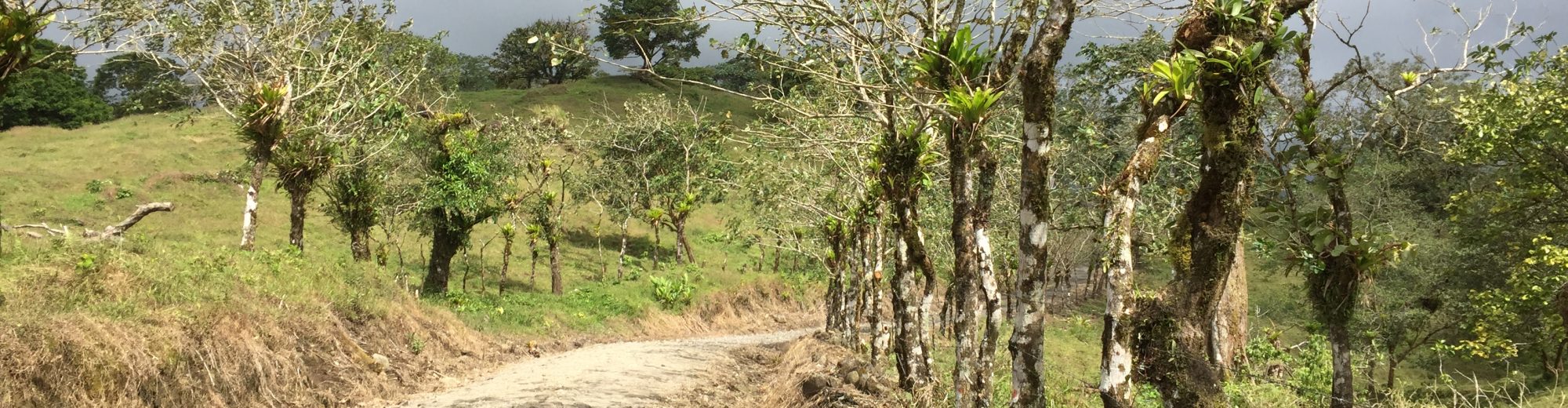
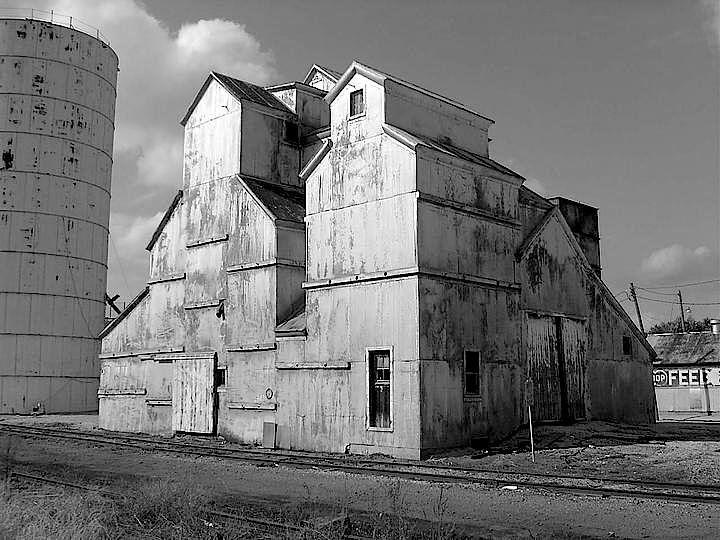
In 1941, my father, 15 years old, his brother 20, and my grandfather farmed a small place in Northern Madison County, Iowa, near the covered bridges.
When Uncle Howard left for the war, my grandfather was pissing foam and running a fever most days. Renal failure had swollen his feet and was killing him.
It all meant that my father, too young for war, was looking after the farm virtually alone. He’d barely graduated high school and got stuck on the failing land when his brother returned from France.
Sometime, in my late teens, though, Dad told me that before the war, before the farm, he’d hoped to become a journalist or writer, the only thing for which he thought he’d had a talent, the only thing he thought he’d ever do well.
Photographer
Bob C operated TV cameras for the CBS affiliate in Des Moines. He’d been a professional photographer for years, dressed in khakis and tweed, and smoked a pipe.
My friend’s divorced mother, Willie S, fixed up well into middle age; you’d hope to find her clean bra in her laundry room when you visited your friend.
Willie’d landed some small modeling jobs in Des Moines, probably for Younkers; Bob C. had photographed her and become her boyfriend. For Iowa, they made a glamorous pair.
My friend and I were helping Bob as production assistants on a 16mm shoot one day when Bob complained he’d no budget for a dolly. I deflated my Beetle’s tires, removed a front seat, and opened the sunroof so he could shoot out of the car as we slowly pushed it.
Willie S, in a bright sun dress, smelling of Younkers perfume, and perfectly quaffed, steered and braked, and I fell in love with cinema.

Student
At university, Fiction 101 students submit a story every couple of weeks. They meet at someone’s apartment or at a bar. The teachers are Workshop grad students from exotic lands, Santa Monica and Providence.
And for those still interested after Fiction Writing 101, even those studying film theory and criticism, Jack Leggett, head of the graduate Fiction Workshop, taught the undergraduate workshop.
Leggett had written a masterful dual biography, Ross and Tom: Two American Tragedies, about two of his own contemporaries, their inabilities to handle success, and their suicides.
I’d done well with undergrad writing and so asked Jack for a graduate program recommendation. He thought I might do well at UC Irvine. I’d like the beach, but why wasn’t I applying for Iowa?
As head of the program, he carefully advised his students not so much towards a path in writing – one must find that for oneself – but away from a path he knew didn’t suit them.
Ross and Tom and his own fragilities made him sensitive to young writers who could be blown off track forever by a careless comment or a puff of air.
Students unsure of themselves, do not make memorable workshop writers but with good mentoring do often finish their course having become serious about language and writing.
Volunteer
Values in the late sixties ran to God and country; proud and patriotic children sang along with The Ballad of the Green Beret (put silver wings on my son’s chest.)
But only a few years later, the same kids were fleeing state police hurling tear gas towards their anti-war demonstrations. University studies and academia’s shelter eventually ended for that generation though.
By then, some of us had broken up with girl friends; some of us were desperate to travel, and some who’d protested also suffered some small guilt over their disloyalty. For all of that, some of us felt that the Peace Corps was an answer. With an MFA, you could teach in Rwanda or Mali
I chose Central Africa over the desert. But Rwandans are mountain people and don’t form friendships easily. So in the summer, as the Canadian and European ex pats lit out for vacations and home, the post became lonely.
On Wednesdays and Fridays, as the Brussels bound Sabina flight passed over head, big hot tears welled in my eyes. But the solitude did afford time for reading – Faulkner and Malcom Lowry, appropriate if not cheery, and writing.
 Californian
The road home from Africa included bicycling across France and grape picking in the Loire Valley.
Later it put me in touch too with Ireland where dark quiet men, the stock of my Midwestern uncles, and Ross and Tom too, I suppose, smoked and bowed their silent heads into pints of Carlsberg and Guinness.
When the money ran out, I came home to a bland landscape, featureless, where white men speak English exclusively on a wide prairie insipid and void of diversity. Inevitably, and soon, San Francisco called.
Almost as foreign as Rwanda or France, California seduces intent. Self-addressing stamped envelopes, running to Kinkos for copying, and the wait wait wait for rejection takes its toll while a trip to wine country or, a ride up the wild foggy coast entices.
Eventually work, the daily grind, family, and fear of more rejection put writing into a long, long, long hiatus.
Writer
But one day, as if delivered by elves in the night, the internet had spawned dozens of web magazines and publishing venues with editors thirsty for content.
And granted, few of the publications paid or counted large circulations, but submission were simple and literary tribes communicating via eMail and social media were forming, supporting one another, and even meeting live from time to time.
Sharing work was more possible than ever. Finding an audience was more possible than ever. Where I’d had no place in the past, I saw the possibility of a place now.
And in the end, I began writing again, struggling with it, because after all, it’s the only thing for which I may have a little talent, the only thing I’ve ever thought I might do well.
Frenchie at the Fair
by Steven Gowin
Frenchie hustled waffle irons.
He also hawked peelers, can openers, and electric turkey carvers out of a cornucopial van of small electric appliances and household gizmos.
A swarthy fellow with glistening black locks, starched white shirt, and open collar, his daylong pitches sent his voice low and gravelly requiring amplification, and so the mic around his neck.
Parked next to the State Fair Talent Search with host Bill Riley, Frenchie’s performance topped even the winning talent, boy phoenom and accordionist, Dewillio Mordini.
Sometimes Frenchie had must take a break to light a cig for a few puffs such was the exertion of charity in bringing all those reel to reel tape recorders, shoe polishers, and assorted junk to a grateful Iowa populace.
You could watch him for hours.
(Published at Fictionaut)
_________________________________________
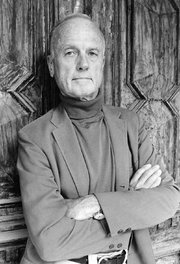 |
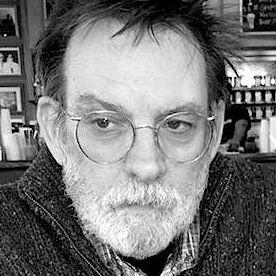
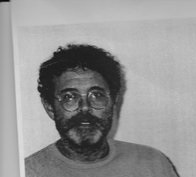
Steven Gowin is a corporate video producer in San Francisco. His fiction has appeared in Insomnia and Obsession, Pure Slush, The Olentangy Review, and others. Gowin is a graduate of the Iowa Writers’ Workshop.
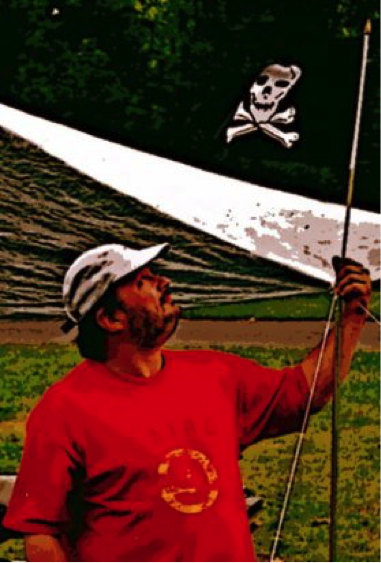
photo by Jack Leggett












 Gay Degani