A wonderful writer named April Bradley recently asked Susan Tepper and me to join a literary blog tour about the writing process, and we happily agreed. Because Susan doesn’t have a blog, I suggested she and I have a conversation and post here at Words in Place. First, meet April Bradley below and go here to read about her writing process: http://aprilbradley.net/2014/08/04/my-writing-process-blog-tour/
April Bradley is a native of Goodlettsville, Tennessee, and lives with her family on the Connecticut shoreline near New Haven. She is a feminist philosopher and an American Southern writer. Her work has appeared or will appear in Thrice Fiction, Narratively and other publications. April serves as an Assistant Editor for Bartleby Snopes Literary Magazine. You can find her online at aprilbradley.net.
And now the discussion between Susan Tepper and me.
1). What are you working on?
 Susan Tepper-I’m working on four large scale projects. The first is a quick revision of a new novel that a publisher has asked to see. It’s the quintessential road novel, with crazy characters and zany plot. Second is a poetry collection based on a tiny room in my house that I converted to my writing space. Third is a 3-act play I co-wrote with Dennis Mahagin over the winter. We have a NYC acting troupe interested, and it may mount in the fall in NY. Fourth is a short prose poem collection called Dear Petrov. The very first of the collection was just published in Apocrypha and Abstractions. Six other pieces from Dear Petrov have been accepted and are coming out soon in various journals.
I also write two regular columns: UNCOV/rd at Flash Fiction Chronicles (author/book interviews) and a yakety-yak column called Let’s Talk at Black Heart Magazine where I get to vent my spleen about the good, the bad, and the ugly in our writing world.
Gay Degani–I just finished my very last story for Pure Slush’s 2014 project which is a print anthology with twelve volumes (one for each month of the year) involving thirty-one authors and a total of 365 stories. Each author writes a story for a specific day of the month – mine is always on the 19th – and the stories for each author are linked. My cycle is about a group of neighbors who survive a ferocious windstorm in January and how the year unfolds for them. I’m also working on a collection of my short stories, rewriting, editing and polishing, hoping to find an publisher sometime later this year.
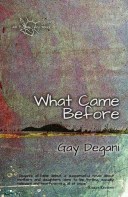
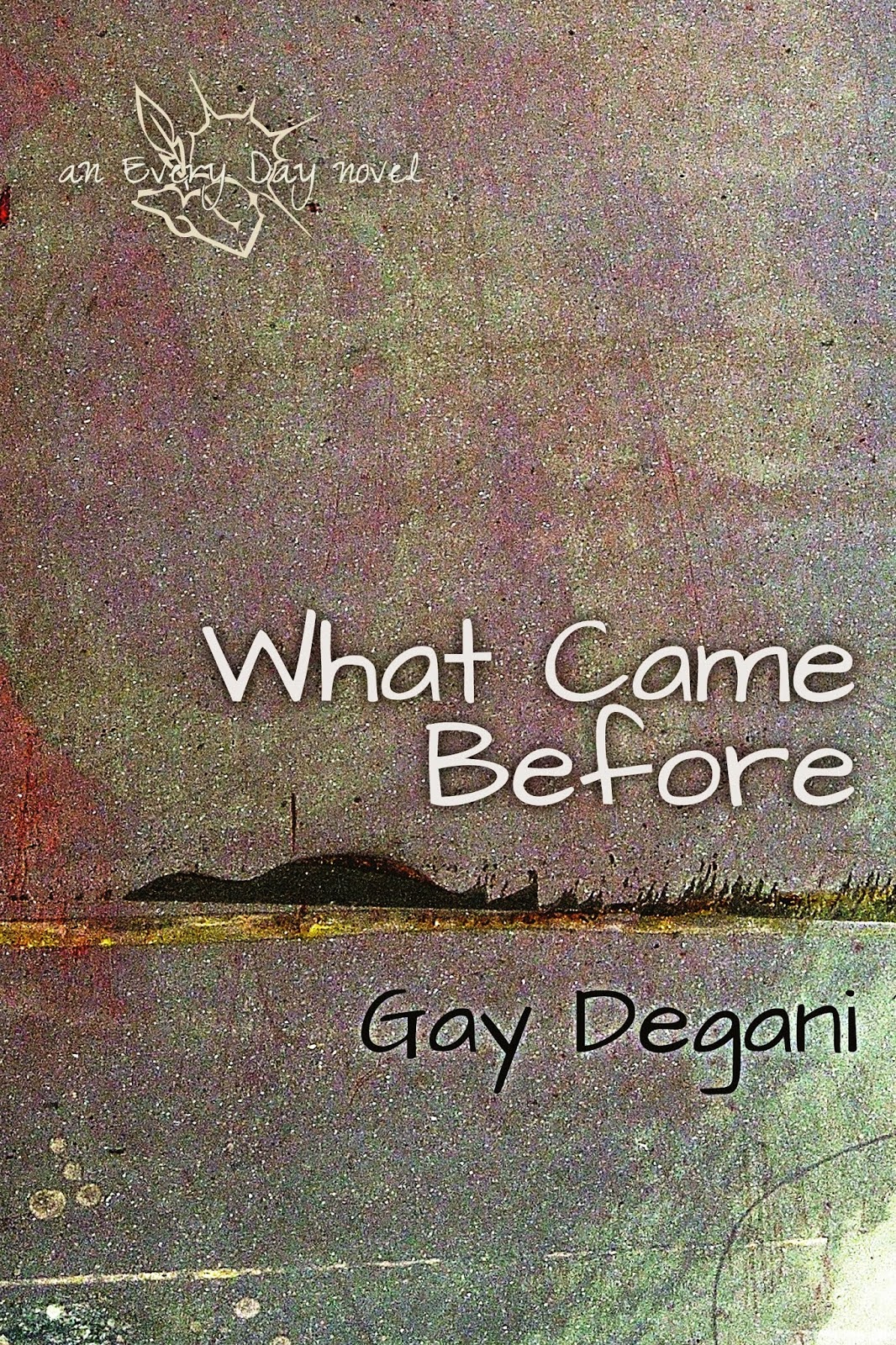
And lastly, I’m about to embark on writing the prequel to my suspense novel, What Came Before, which was serialized online in March – seventy 1000-word chapters in all – and is now available in hardcover, trade paperback, and ebook formats.
But Susan, I don’t know how you have so much going on at once. What’s your day like? How much time do you spend actually inyour writing space?
Susan-That’s a lot on your plate, too, and I’m excited to hear there will be a prequel to your novel which really absorbed me. I got intensely involved in Abbie’s life and dilemma. You really know how to make dramatic tension when you write a novel, and many people do not. I have seen the books of famous writers come out with no dramatic tension. They can almost put you to sleep. I think your screenwriting background is an invaluable tool for creating exciting fiction that moves.
 As for how I do as much as I do, I write compulsively. When I’m not doing a task, or seeing a friend, or some such thing, I write. Day and night. So you do get a lot of product this way. It’s never a task for me to sit down and write. I don’t understand the concept of writers block. It would be like a dancer unable to do a step, which I can’t imagine either.
Gay-I’m so glad you found Abbie compelling. The original book contained the text I’m using as a source for the prequel. I’d told the story from three viewpoints, but over the years, and after many workshops and conferences, I axed the story of the past. I look forward to unraveling that in the prequel.
I don’t believe in writer’s block, but I believe in writers’ distraction. That’s my key problem. I have an active life and with my husband retired, we always have things to do and places to go. I also have to guard against my own need to do other creative things, like bead, paint, draw, take photos, and, of course, read. Every day for me is a full day, and I have to make sure I preserve time for the writing. Hence, late nights at the computer happen more often than not.
2). How does your work differ from the work of others in the same area/genre? (April Bradley added this observation to the question: Genre is such a confining word, isn’t it?)
Gay-Do you agree with April’s comment, Susan, that “genre is such a confining word?” Certainly it is for me. All the time I was writing my novel, I struggled to explain what it was about, how to label it, especially in regard to genre. It’s been called a family saga/suspense and a literary suspense and a mystery as well as being considered character-driven rather than plot driven. Kirkus nailed me for not following the thriller formula. Well, I didn’t know it was a thriller. I’ve never called it that.
I use Joyce Carol Oates and Margaret Atwood as my guides. They both do “genre” in the very strict definition of the word, but they expand and deepen and make genre so much for than such a label implies. That would be the aim of what I write. Not saying I achieve what they achieve, but rather that’s what I strive to do.
Susan-Gay, I think Kirkus is way off the mark. First of all, it is just one person who works at Kirkus who made this decision about your novel. I found the book incredibly suspenseful, and about 50/50 character/plot driven. I found the characters and plot to be interwoven very skillfully. Honestly, that Kirkus comment confused me. If I had written your book, and that comment was directed at me, I would bury it. I think people read well or terribly.
Each short chapter ended on a question mark: What is coming next? To my mind, that is quite suspenseful. Maybe they wanted blood and gore. I have basically learned to trust my own instincts over the years. Writing is art, and art is totally subjective. Some people criticize Picasso! He was the forerunner in Modern Art! An example of why I take criticism very lightly.
Gay-Thank you for that, Susan. So, how do you think your work differs from others working in your “genre?” Do you even write in a genre? You do poetry, memoir, fiction? What makes your work uniquely you?
Susan-Honest to god, I have no idea. I just write whatever wants to come out at any given moment. I don’t control what I write, or how. I don’t write memoir. Don’t like the form, in most cases, it’s someone moaning over their life. I write fiction, poetry, plays, essays, interviews. Whatever strikes me in the moment. I believe in giving yourself over to any art form. It’s the only way to make the work uniquely your own vision come to life.
3.) Why do you write what you do?
Gay-The “ why” of “what I write” is, at first blush, very simple. I keep an eye on what’s going on around me. You know those little Babybels that come wrapped in red wax? My family and I like to shape animals out of cheese wax. I wanted to write a story about that because it gave me a little tingle when I thought about them. Another example of observation turning into story came this summer, riding the DC subway, watching the people, feeling the jerk of the train. I now have a science-fiction piece to work on because of that tingle. My ideas come to me like that. I write a draft of the idea or a mash-up of notes, and then the work starts: how do I make this have meaning? At second blush, when I get to the meaning part, a pet peeve, a belief, a disappointment, something I’ve experienced bubbles up and that’s when I have a story.
So Susan, why do you write what you write?
Susan-Well, Gay, I also get stimulated by what’s around me. That’s why I’m always offline when I’m travelling. I want my mind to sweep new landscapes and pick up the beauty and the garbage. I always come back from travelling with at least one story that started to cook in my cells on the trip. When I took Amtrak recently, I looked out the window the whole time, and saw things that started a new story I’m working on.
Gay-So you write what you write because something stimulates you, some outside force?
 Susan-Basically, yes. And inner forces too. Though I don’t think it can really be boiled down, why someone expresses in a certain art form, in a certain way. For instance: Why did Van Gogh paint in his style during the same historical period as the other Impressionists whose paintings were so different from Van Gogh’s? I don’t think art or the execution of art can be summed up in a particular way. It is part and parcel of the artist (or writer), their genetics, their history, and how they experience the world, their desires, hopes and fears. Art is a complex mix.
Excellent answer Susan. We just do what works for us and if we can, with or without knowing it, we push around some boundaries.
4). How does your writing process work?
Gay-We’ve answered this somewhat in the previous questions, but I’ll add one more thing. I’ve learned that a writer must have faith in his or her own process and if it’s not working, then he or she needs to figure out why.
If writing is painful or difficult all the time, then perhaps it’s time to approach the task from a different direction. If you feel like writing is worse than going through a root canal and you always outline, then stop outlining and go free-range. See where it takes you.
If you are always speeding your way through draft only to end up with a mess, then outline it. Ask the magic questions: What does my main character want? What stands in her way? What does she do to overcome the obstacle? And the most powerful question, what is she/he afraid of?
 The idea for my novel’s theme came from me asking that question when I got a couple chapters in and the story wasn’t going anywhere. What was Abbie’s afraid of? Then I turned it around a little and asked, what am I afraid of?
 The answer was what if something happened to my sister – heaven forbid – and I would have to raise her kids? Let me qualify, I love her and her three children, but she’s twelve years younger than I am so her kids were still kids when my kids were off to college. I would have done it, but that doesn’t mean that scenario didn’t frighten me, so that’s the scenario I brought into my story and suddenly it felt right.
Susan, how does your writing process work or if you feel you’ve answered this, can you talk a little about how you go about solving a story problem when it pops up?
Susan-Gay, I found your comments here fascinating. Yours is a good way to tackle a plot or character obstacle in the course of working, especially working a long piece such as your novel. For me, writing is all about disconnection from the earth planet and connection to an inner source. When I first started to write twenty years ago, and sat at my word processor, I would literally feel the pressures of life lift off my head and shoulders. A sense of lightness and well-being entered my writing state. I don’t think anyone can “become” a writer. Or any type of artist. You are called to it. If it isn’t an act of sheer love and inspiration, if it feels like “work” in any way, then let it go. Do something else.
This notion of writing being “work” is foreign to my existence. Writing for me is all play, all escape. Does that mean I have/had a terrible life? No. I’ve had, like most people, times of great happiness and times of great sadness. But that is apart from what I’m trying to get across here. All this stuff about writers suffering – I don’t get it. I never suffer through any story or even a sad poem. It’s a release, a finding-out of other worlds and existences for me. It’s the ultimate existential journey. And I’ve been a journey-woman from the first time my mom packed us three kids into the car to go see our Dad who was working out west. We drove across country, a 12-year-old, 10-year-old, and a toddler driven by a mom in her thirties. It may have unleashed my desire to keep going, in every which way. I don’t know. But I know for sure that writing for me is pure love.
Next week, follow blog tours of Dennis Mahagin, Alex Thornber, Grant Jarrett, Len Joy, and Andrew Stancek to meet these five fabulous writers at their own blogs (linked below) and learn about their writing processes.
Dennis Mahagin is a poet and writer from the Pacific Northwest. He is the author of the collection, Grand Mal, published in 2012 by Rebel Satori Press, as well as Longshot and Ghazal, available in 2014 from Mojave River Press. Dennis’s poems and stories appear in magazines such as Everyday Genius, Evergreen Review, elimae, Stirring: A Literary Collection, Underground Voices, and Smokelong Quarterly. Read Dennis’ BLOG or friend him at Twitter: https://twitter.com/scruffy123.
Alex Thornberis a writer and bookseller from Southampton, England. He has had stories published in places like Metazen, Wilderness House Literary Review and Specter Magazine. He recently finished a collection of stories (Blame it on the Dust) and a novella (When We Realised We Were Broken). He sporadically blogs at alexthornber.wordpress.comand tweets under @nucosi
Grant Jarrettlives in New York City, where he earns his living as a writer, editor, and musician. His work during the past eight years has included magazine articles, ghostwriting for Pocket Books, video scripts for Epic and BMG, a monthly column in FOW (a major financial industries publication), and a short story in Eclectica Magazine. His first novel, “Ways of Leaving” won the Best New Fiction category of the 2014 International Book Awards.
Len Joylives in Evanston, Illinois. His short fiction has appeared in FWRICTION: Review, The Journal of Compressed Creative Arts, Johnny America, Specter Magazine, Washington Pastime, Hobart, Annalemma, and Pindeldyboz. He is a competitive age-group triathlete. In June 2012 he completed his first (and probably only) Ironman at Coeur d’Alene, Idaho.
Andrew Stancekgrew up in Bratislava and saw tanks rolling through its streets. He now writes, dreams and entertains Muses in southwestern Ontario. His work has appeared in Tin House online, Every Day Fiction, fwriction, Necessary Fiction, and Pure Slush. He’s been a winner in the Flash Fiction Chronicles and Gemini Fiction Magazine contests and been nominated for a Pushcart Prize. The novel and short story collections are nearing completion.
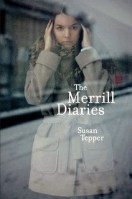
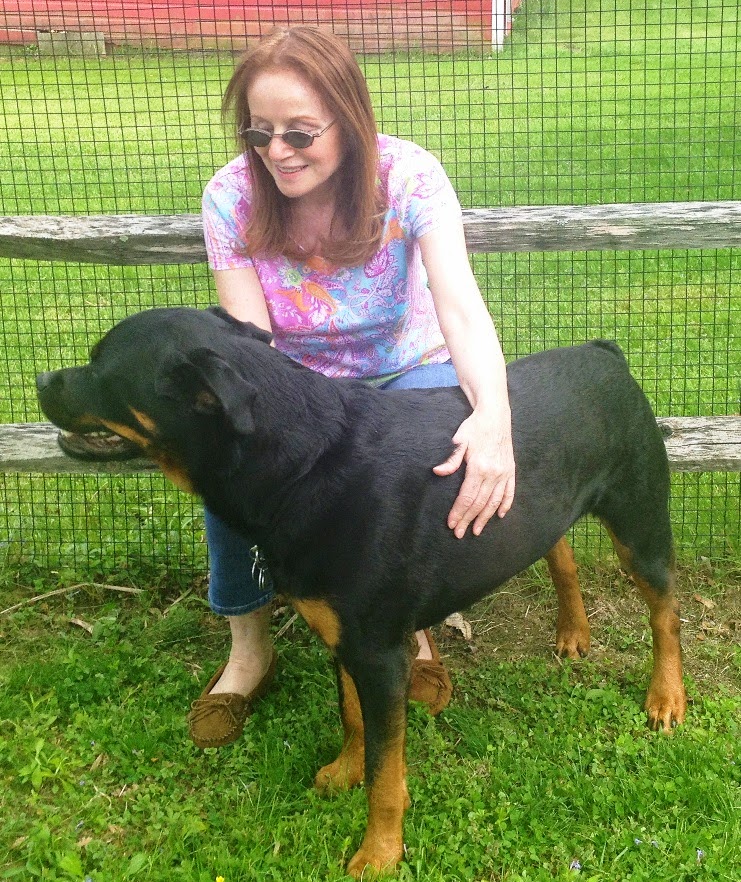
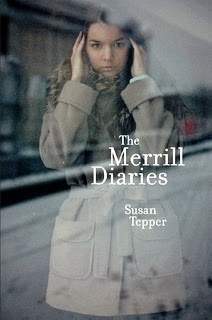
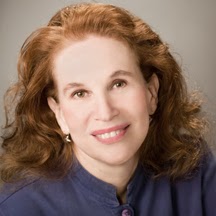
Susan Tepperis the author of a novel in stories called The Merrill Diaries (Pure Slush Books, 2013). Her other books include From the Umberplatzen, Deer & Other Stories, What May Have Been (co-author Gary Percesepe), and the poetry chapbook Blue Edge. Tepper is a named-finalist in story/South Million Writers Award for 2014, and was a runner-up in The Glass Woman Prize. She has received nine Pushcart nominations and one for the Pulitzer Prize in fiction. Her interview column “UNCOV/rd” and her chat column “Let’s Talk” both run monthly at Flash Fiction Chronicles and Black Heart Magazine (respectively). FIZZ, her reading series at KGB Bar, NYC, has been sporadically ongoing for about seven years (possibly longer). www.susantepper.com
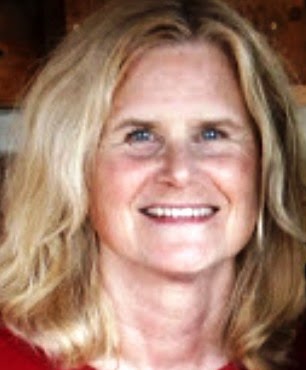
Gay Degani has had fiction published online and in print including her short collection, Pomegranate Stories. She is founder of EDF’s Flash Fiction Chronicles, and an editor at
Smokelong Quarterly. She’s had three stories nominated for Pushcart consideration and won the 11th Annual Glass Woman Prize. Her novel, What Came Before, is now available for Kindle, in ebook formats at Tomely, and in print (hardcover and trade paperback) at Barnes & Noble online, and at Amazon.com. She is working on another collection of short stories and the prequel to her suspense novel.






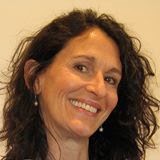



 Gay Degani