
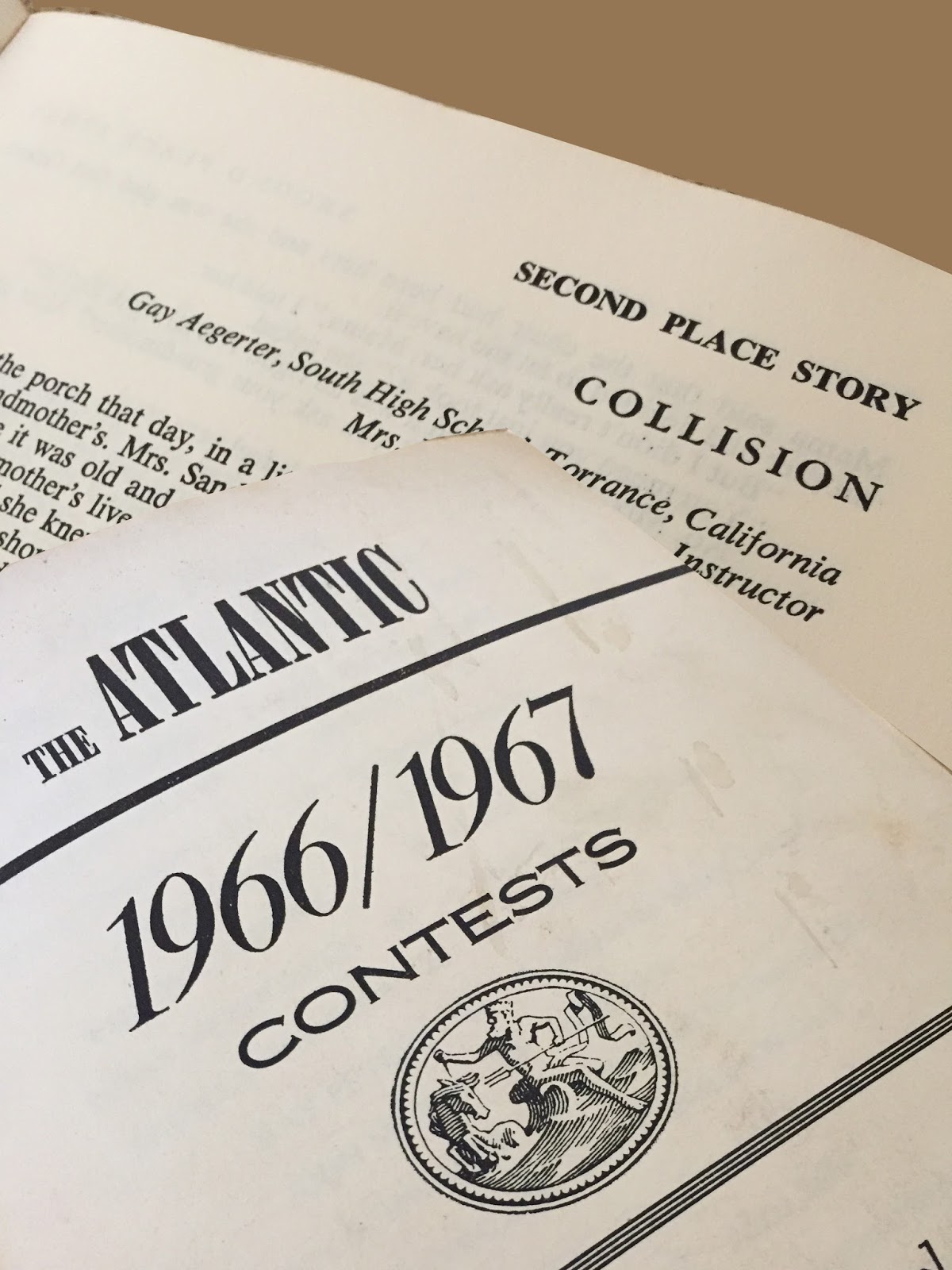
I was surprised in high school to find out that Mrs. Hawkins, my Creative Writing teacher, had entered one of my short stories in the Atlantic Monthly High School Writing Contest and was more surprised when I won second place. Wow. “Collision,” I thought, was just the beginning.
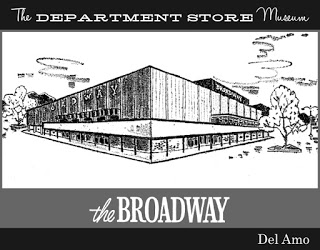
In a retail executive training program after college, I learned that the Junior Department at the Del Amo Broadway was only a small segment of a huge enterprise. Behind the selling floors, the dressing rooms, and the customers was a complex operation spread over 40+ stores as well as a blocks-long system of offices and warehouses in East LA. In the beginning I vaguely understood the size and shape of the company, but not its intricacies, how it actually functioned. Later, as a writer, this experience of learning the complexities behind the obvious helped me understand that behind a basic storyline, there is structure, a way of doing things, a way of controlling results. Words no more spring spontaneously onto the page than pantsuits and mini-skirts miraculously appeared on shelves, rounders, and mannequins.
 As a Gap store manager, my job was about people—customers and employees. I understood something about human nature, but not much. My first lesson came before I was even hired. The company gave all candidates an “honesty” test. It seemed obvious to me that anyone could pass this kind of exam whether they were honest or not, so I asked the man who hired me if anyone ever failed. His answer? Yes, they did. A high percentage. This surprised me and forced me to become more aware of how very different we are from each other.
Later, as a Gap district manager, when I had to figure out how to foster top performances in others, I developed more insights into what motivates and what discourages people. Working toward team goals in a positive atmosphere as well as appreciation for a job well done, helped to create a desire to achieve. Strong characters in good stories have to want something too. They have to strive and overcome disappointment. What pulls the reader along is how characters respond to the obstacles put between them and their desires.

Tupperware came next. Yep, I learned everything there is to know about eradicating mold from my refrigerator, but more importantly, this job forced me to rely on myself to get what I wanted. I had a simple goal: I wanted to buy a computer. What I learned was more valuable. Selling Tupperware taught me to rally to the task, to observe and imitate successful behaviors, to give encouragement as well as to accept it, and to think on my feet. Selling Tupperware made me feel something like a stand-up comedian—the more they laughed, the more I sold—and I became addicted to being “in the zone,” that feeling that comes when everything one does, works. I had forgotten how that felt. I knew it was finally time to write. My first screenplay was called “Plastic Dreams,” about a man who seeks refuge in selling Tupperware.
 I wrote screenplays, stories, random poems, and journal entries. I took UCLA extension classes, went to conferences and workshops. Mimicking what I had learned from Tupperware, I surrounded myself with like-minded people, set goals, planned for results. By the time my kids left home to chase their own dreams, I was beginning to understand what made for good writing. I accepted that writing well doesn’t just happen, but that it comes with practice and study.
_________________________________

 Gay Degani